When most people hear about Ghana’s housing deficit, they think of a national crisis. And yes with a shortage of over 1.8 million housing units, it is a serious issue. But if you’re an investor or entrepreneur, you should see this not just as a problem, but as an opportunity in disguise. In this blog post, I’ll break down what Ghana’s housing deficit really means and how savvy real estate investors can tap into this demand to build wealth while solving real needs.
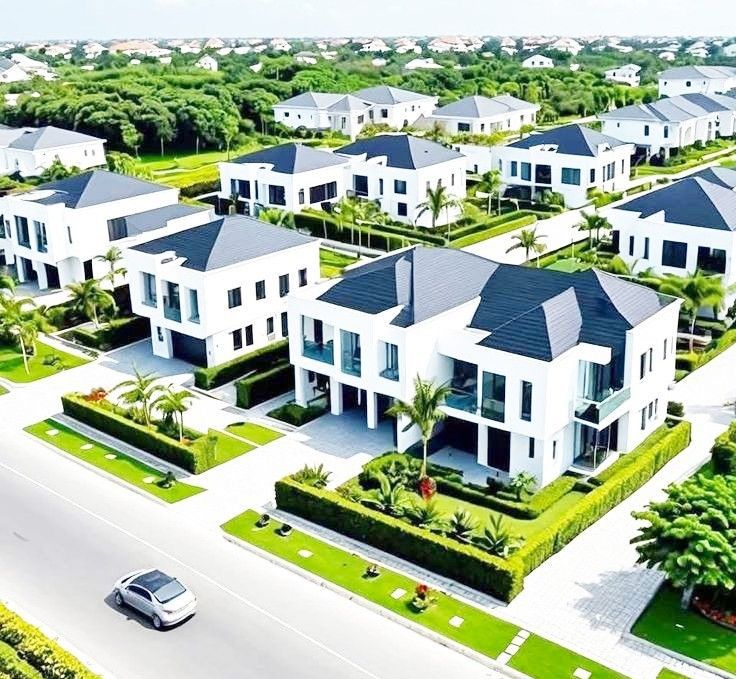
Firstly let’s ask ourselves; What is the Housing Deficit? The term housing deficit refers to the gap between the number of houses needed and what’s actually available. In Ghana’s case, rapid urbanization, population growth, rural-to-urban migration, and rising costs of building materials have all contributed to this shortage not forgetting the rapid fluctuation of the dollar. Studies have shown that Accra, Kumasi, Takoradi, and other fast-growing cities face constant pressure to provide adequate, safe, and affordable housing but supply has struggled to keep up.Let’s look at Why This is GOOD News for Investors. While a housing deficit may seem like a problem for government and planners to fix, it also signals high demand; and demand is the lifeblood of real estate investment. Below are why this environment is ideal for private investors:
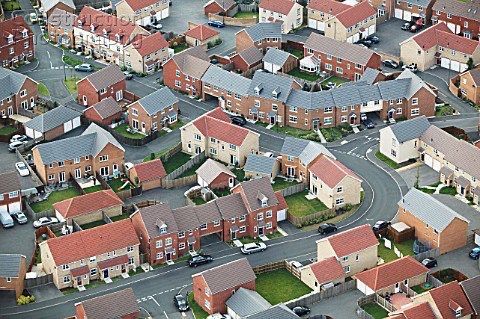
Second to address is; Endless Demand for Affordable & Mid-Income Housing. Most of the housing supply in Ghana targets high-income earners, leaving a huge under-served market of working-class and middle-income renters or buyers. This is a chance to Build or convert units for long-term rentals, Create gated mini-communities with basic amenities or Offer rent-to-own or flexible payment options
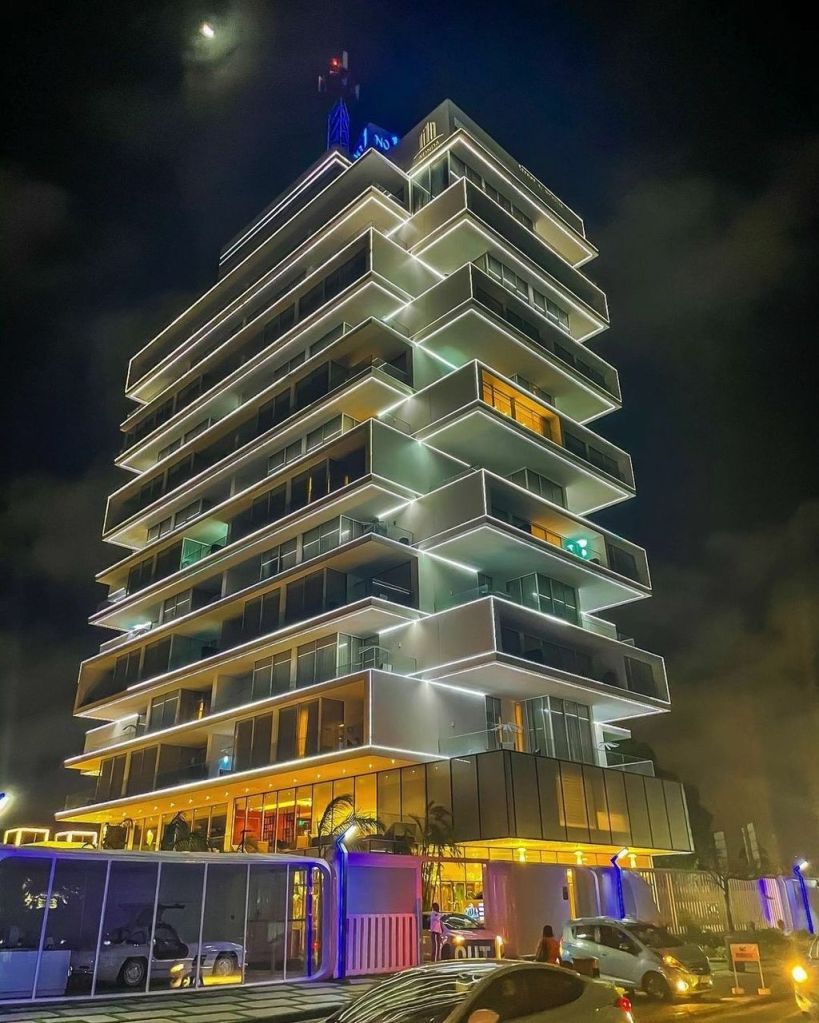
Thirdly, the rise in urban migration means young professionals and students are constantly searching for decent places to live. Small apartment blocks, co-living spaces, or student hostels can generate strong, recurring income. You can look at Land Banking in Emerging Areas. Investors can purchase land in growth corridors outside major cities, such as Oyibi, Amasaman, Kasoa, or Prampram, Pokuase, Shai Hills areas where demand is expected to rise. By developing or reselling later, you tap into long-term gains.

In furtherance, Affordable Housing Partnerships is one untapped area in Real Estate. Governments and private institutions are increasingly interested in public-private partnerships (PPPs). If you’re a developer or builder, there are grants, subsidies, and financing options to explore, especially for affordable housing projects. Lastly on how savvy real estate investors can tap into this demand to build wealth while solving real needs; is to consider an Alternative Real Estate Income Streams where you do not need to build because Real estate is broad. You can make money through Property management services, Facility maintenance, Real estate marketing & media (listings, tours, photography), Short-let (Airbnb) management or Brokerage services. In every deficit lies a demand and in every demand, a wealth-building opportunity for those bold enough to act.
Writer : Jemima Fenteng – Twum
 SHE BLOGS REALTY
Leave a comment