THE JFT EDIT

The site provides Real Estate news, guidance, and information for both real estate agents and home owners. Covering topics such as construction, mortgage advice and much more. Let us guide you in your real estate decisions.

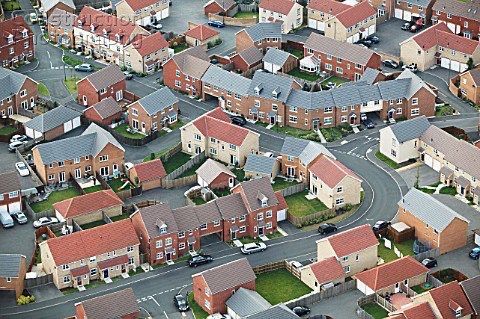
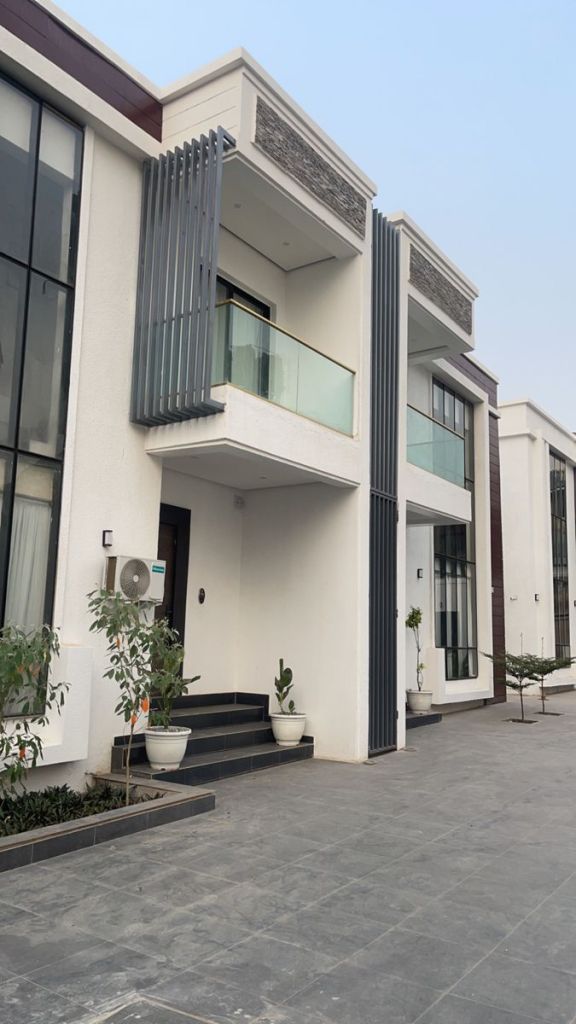
  • In Ghana today, one of the biggest contradictions in the real estate sector is impossible to ignore: people are actively searching for housing, yet many properties remain empty. Drive through prime areas in Accra-East Legon, Airport, Cantonments, even parts of Spintex; and you’ll notice a pattern. Beautiful houses. Modern apartments. Freshly painted walls. “TO LET” signs hanging for months… sometimes years. So the question is simple: why are these properties not being occupied? A Market That Prices Out Its Own People; One of the biggest reasons is overpricing.

    Many property owners set prices based on what they believe their property is worth, not what the market can actually afford. A two-bedroom apartment that should reasonably go for GHS 3,000 is listed at GHS 6,000; simply because it’s in a “prime” location. Location alone does not pay rent; people do. When pricing ignores the income realities of tenants, properties inevitably stay empty.

    The Dollar Rent Problem: Another major issue is the continued dollarization of rent, especially in high-end areas. Landlords often justify this by saying:
    • “I built with dollars”
    • “Maintenance costs are in dollars”
    • “The property is for expatriates”

    While that may be valid from an investment perspective, it significantly limits the tenant pool. The average Ghanaian professional earns in cedis, not dollars. Fewer qualified tenants, longer vacancy periods, and inconsistent cash flow. Luxury Everywhere, Affordability Nowhere. There is also a clear mismatch between what is being built and what is actually needed.

    Developers are focused heavily on:
    • Luxury apartments
    • High-end gated communities
    • Executive-style homes

    But the real demand lies in:
    • Affordable 1–2 bedroom apartments
    • Flexible rental options
    • Practical living spaces for young professionals and families

    The Burden of Advance Rent: Ghana’s rent system continues to be one of the biggest barriers to occupancy. Requiring; One or more Years terms. As upfront payment makes it difficult for otherwise capable tenants to move in. Even when tenants can afford monthly rent, they simply cannot meet the lump sum requirement so instead of adjusting terms, properties remain vacant.

    Poor Property Management & Tenant Experience. In many cases, the issue isn’t just pricing it’s management. Some properties remain empty because:
    • Repairs are delayed
    • Communication is poor
    • Tenant concerns are ignored
    • There is no professional management structure

    Today’s tenants are more informed and more selective. They are not just renting a space; they are choosing an experience. And if that experience is lacking, they will walk away.

    Investor Mindset vs Market Reality: A growing number of properties in Ghana are owned by diaspora investors or individuals building for status rather than strategy. These investors often:
    • Price emotionally, not competitively
    • Leave properties empty while waiting for “the right tenant”
    • Focus more on prestige than occupancy

    But real estate is not just about ownership it is about return on investment. An empty property, no matter how beautiful, is a liability. The Real Cost of Vacancy: Vacant properties come with hidden costs:
    • No rental income
    • Ongoing maintenance expenses
    • Security risks
    • Property depreciation over time

    What many landlords fail to realize is this: A slightly lower rent with consistent occupancy is more profitable than a high rent with no tenant. A Smarter Way Forward: To fix this issue, the market needs a shift in mindset:
    • Price based on market data, not assumptions
    • Consider flexible payment structures (monthly/quarterly)
    • Invest in proper property management
    • Build for demand, not just for aesthetics
    • Think long-term cash flow, not short-term gains

    Ghana does not have a housing shortage problem alone it has a housing accessibility problem. Until landlords, developers, and investors begin aligning their expectations with economic realities, the cycle will continue:
    By: JFT

  • People see the polished listings, the luxury homes, the closing smiles, and they assume one thing: easy money. What they don’t see is the long, unpredictable, and often frustrating journey that leads to that one successful deal. Behind every commission earned is a story of persistence, patience, and pressure.

    Trust Is Always on Trial: One of the biggest challenges brokers face is trust. Many clients walk into conversations already guarded, convinced that Brokers / Agents inflate prices or prioritize their own commission over the client’s needs. So instead of starting from a place of collaboration, brokers often have to start by proving their integrity. This means over-explaining, over-delivering, and sometimes working twice as hard just to be believed. And even then, trust can disappear in an instant.

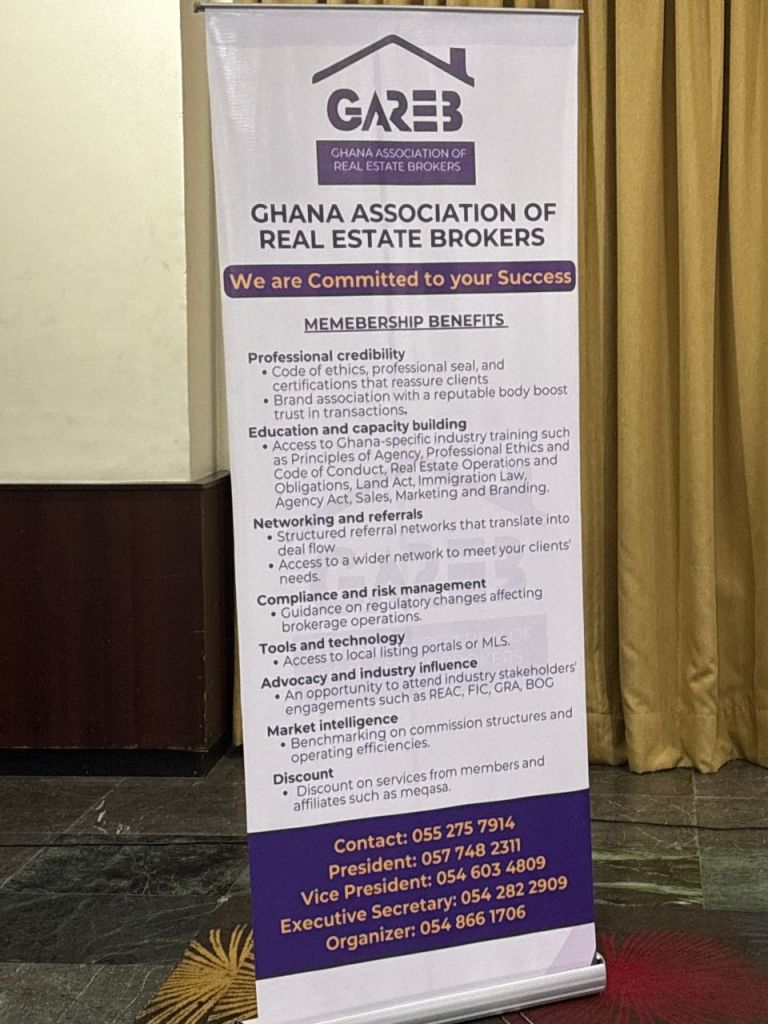
    A Market Without Structure: Unlike more regulated markets, Ghana’s real estate space is still evolving. Almost anyone can wake up and call themselves an agent. This creates confusion for clients and pressure for professionals. Serious brokers are forced to compete with individuals who may have no training, no systems, and no accountability. In many cases, the professional ends up fixing problems created by others; verifying properties, correcting misinformation, and rebuilding client confidence from scratch.

    The Silent Loss: Being Bypassed Perhaps is one of the most painful experiences for any broker/ Agent; that is being cut out of a deal they worked hard to create. You find the property, You schedule the viewing and You negotiate the terms then suddenly, the client reaches out directly to the landlord to avoid paying commission. What remains is not just lost income; but lost time, effort, and trust. And in a business where income is not guaranteed, that loss cuts deep.

    When Expectations Don’t Match Reality: Another daily struggle is managing expectations. Clients often come with visions that don’t align with their budgets. They want prime locations at bargain prices or luxury finishes at minimal cost. The broker / Agent becomes more than a middleman; they become an educator, constantly bridging the gap between what is desired and what is realistically available in the market.

    The Cost of Staying in Business: Real estate brokerage in Ghana is not a low-cost venture. Every property shown, every listing posted, and every client meeting comes with an expense. Fuel, marketing, photography, listing platforms like Meqasa, and administrative costs all add up. Yet, none of these guarantee income. You can invest heavily in a deal that never closes and that is a risk brokers live with every day.

    Navigating Difficult Landlords: While clients can be challenging, landlords / Developers can be just as unpredictable. Some change their prices midway through negotiations. Others refuse to honor commission agreements or delay access to properties. In some cases, brokers are left managing both sides;trying to satisfy the client while negotiating with an uncooperative landlord. It’s a delicate balance that requires patience and strong negotiation skills.

    Income Without Stability: Unlike traditional jobs, real estate income is inconsistent. One month may bring multiple successful deals, while the next One, two or three may bring none; yet, the expenses don’t pause. This uncertainty makes financial planning difficult and adds another layer of pressure to an already demanding profession.

    The Weight of Responsibility: Real estate transactions in Ghana can be complex. Issues like improper documentation, land disputes, and unclear ownership are not uncommon. Brokers often take on the responsibility of ensuring due diligence, working with lawyers, verifying documents, and protecting clients from costly mistakes. It’s not just about closing deals; it’s about safeguarding investments.

    More Than Just a Transaction: At its core, real estate is deeply emotional. People are not just buying or renting spaces; they are making life decisions and brokers are at the center of it all, managing expectations, handling disappointments, and maintaining professionalism even in difficult situations. Being a real estate broker in Ghana is far from easy. It is a profession that demands resilience, integrity, and relentless effort.

    So the next time you see a broker close a deal, remember this:
    that moment is not luck ; it is the result of unseen work, silent sacrifices, and the determination to keep going in a system that doesn’t always make it easy.

    By: Jemima Fenteng – Twum

  • There’s been a growing conversation around regulating rent in Ghana; trying to control how landlords price and lease their properties in the name of affordability. At first glance, it sounds like a good idea. Protect tenants. Reduce rent. Make housing more accessible. The real question on the table is; are landlords actually the problem? Have we turn in the reality?

    Let’s Be Honest About the Reality. In Ghana, housing options exist. The real Estate Market in Ghana sway through Scale of Preference where you can rent:
    Daily
    • Weekly
    • Monthly
    • Or long-term

    So the issue isn’t that there are no properties. The real issue is that most people simply cannot afford what is available. The issue is not duration but deficit and Landlords Are Working Within a Difficult System. Before we point fingers, we need to understand what it takes to even own rental property in Ghana. Landlords deal with:
    • Expensive land acquisition
    • High cost of building materials
    • Unstable currency
    • Limited access to affordable financing.

    Building in Ghana is not cheap neither is Maintainance. So when landlords price their properties, they are not just being “greedy” they are responding to the cost of the system they are operating in.

    The Problem With Over-Regulating Rent : When government policies start trying to control how landlords rent or how much they can charge; without fixing the underlying issues; it creates more problems than solutions. Here’s what can happen:
    • Investors may stop building new houses
    • Some landlords may switch to short-term rentals to avoid restrictions ( Increase prices)
    • Property maintenance may decline
    • The rental market may become more informal and less transparent

    In trying to “fix” affordability, we may actually reduce supply even further.

    The Real Issue: Housing Deficit: Ghana’s housing challenge is not just about rent; it’s about a gap between demand and accessible housing. There are not enough affordable, livable homes for the number of people who need them.

    That’s the real problem. And until that gap is addressed, prices will naturally remain high; regardless of regulations.

    If Government Truly Wants to Help then the focus should shift from controlling landlords to fixing the system. That means:
    • Making mortgages more accessible and affordable
    • Supporting large-scale housing development
    • Reducing the cost of building materials
    • Partnering with private developers
    • Completing and maintaining existing housing projects

    Because the truth is simple; You cannot regulate your way out of a supply problem.

    A Balanced View: This is not to say landlords should operate without rule but policies must be balanced. Tenants need protection, yes but landlords and developers also need an environment that encourages investment, not discourages it.

    Final Thoughts: If the government wants to make housing more affordable in Ghana, the solution is not to fight landlords but to solve the housing deficit. Until then, trying to control rent without fixing supply will only make the situation worse.

    Written By Jemima Fenteng – Twum

  • There is a common narrative that Ghana’s housing crisis is simply due to a lack of available homes. But that is not entirely accurate. The truth is; options existy; there are various options. From short-term rentals to long-term housing, the market offers flexibility; yet, despite this, many Ghanaians still struggle to secure decent and affordable housing. The real question is; If options exist, why does the housing problem persist?

    The Reality: Housing Options Are Available. In Ghana today, you can find:
    • Daily rentals (short stays and Airbnb-style apartments)
    • Weekly and monthly rental options
    • Long-term rental agreements

    This clearly shows that availability is not the core issue. However, access to these options is where the challenge lies.

    The Financing Gap: Ghana vs The United StatesOne of the biggest differences between Ghana and countries like the United States is access to financing.

    In the United States:
    • Mortgages are easier to obtain
    • Interest rates are relatively low
    • Repayment periods range from 10 to 30 years

    In Ghana:
    • Mortgage interest rates are significantly higher
    • Repayment periods are shorter
    • Qualification requirements are stricter.

    This creates a system where homeownership becomes a privilege rather than a possibility for the average person.

    The Cost of Building: A Major Barrier Another key factor is the high cost of construction.

    Building materials in Ghana are expensive, and this directly impacts property prices. Developers have no choice but to transfer these costs to buyers and renters. As a result:
    • Property prices are high
    • Rent is expensive
    • Affordable housing becomes scarce

    In many cases, properties in Ghana can even appear relatively more expensive than similar properties in developed countries.

    The Government’s Role: A Missed Opportunity. If the government truly wants to solve the housing deficit, one obvious solution would be to build more houses to compete with the private market. In theory, this could:
    • Increase supply
    • Reduce prices
    • Improve accessibility

    But in reality, Ghana’s experience tells a different story. Many government housing projects:
    • Remain incomplete
    • Are poorly managed
    • Lose value over time

    This raises a critical concern;execution. The Hard Truth is not that Ghana lacks ideas or even resources. The real issue is that:
    • Systems are weak
    • Implementation is poor
    • Accountability is limited

    So while building more houses sounds like the solution, without fixing these underlying problems, the outcome remains the same.

    Ghana’s housing deficit is not just about supply; it is about structure, financing, and execution.

    Yes, there are options.
    Yes, houses exist.

    But without:
    • Affordable mortgage systems
    • Reduced construction costs
    • Effective government execution

    …the housing crisis will continue. At this point, it is difficult to ignore the reality: the challenge is not just a shortage; it is a systemic failure.

    About the Author : This article is published by Jemima Fenteng – Twum, a results-driven real estate brokerage in Accra, specializing in property sales, rentals, and management

  • What Is Generational Wealth? Generational wealth refers to assets-like money, property, or investments-that are passed down from one generation to the next. Instead of starting from scratch, your children and grandchildren can build on what you’ve already created. Unlike short-term income (like salaries), generational wealth grows over time, can be inherited or transferred, and offers security and opportunity for future generations.

    Why Real Estate Is a Powerful Wealth-Building Tool

    1. Property Values Increase Over Time (Appreciation): Property values in cities like Accra, Kumasi, and Tema generally rise with time.

    2.Generates Rental Income: You can earn passive income through renting properties.

    3. Real Estate Can Be Passed On: Property is tangible and transferable.

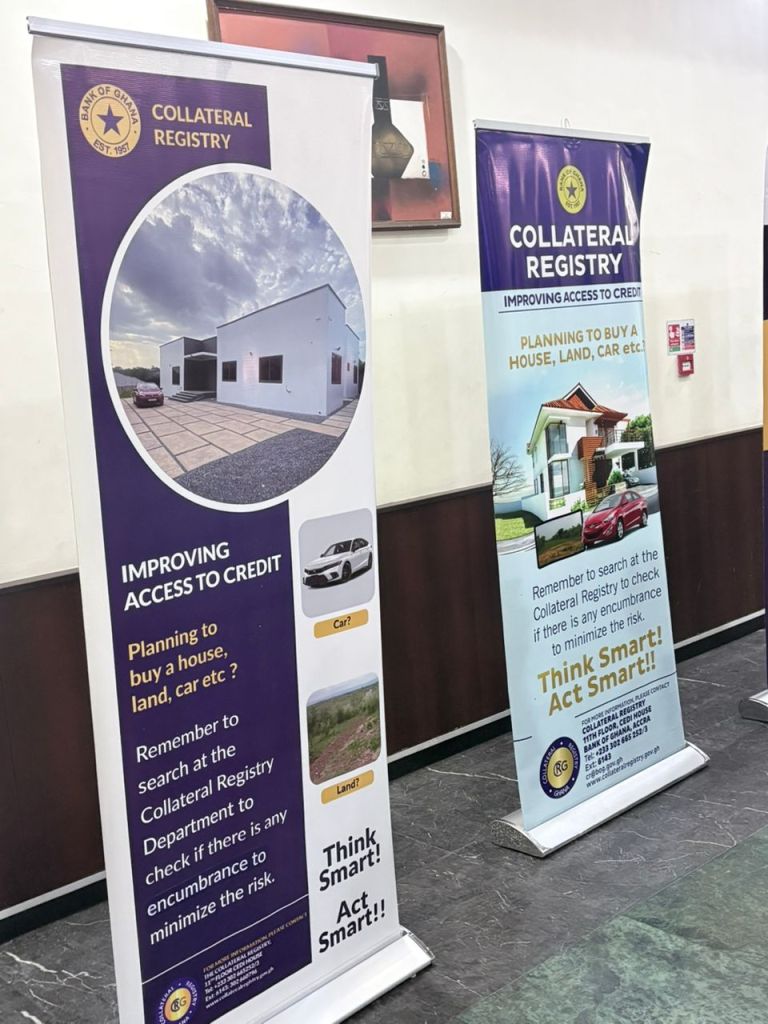
    4. Leverage and Equity: You can use real estate as collateral.

    5. Protection Against Inflation: Property often increases in value, even when currency loses value.

    Real Estate in Ghana: A Unique Opportunity

    Ghana’s growing economy and expanding cities make it a prime location for real estate investment.

    Strategies include:

    – Buying land early in developing communities

    – Building residential rental units

    – Investing in commercial properties

    – Exploring short-term rentals like Airbnb

    Tips for Building Generational Wealth Through Real Estate

    – Start early: Property value grows over time

    – Do your research: Understand location and legal documents

    – Work with trusted professionals

    – Document everything for future transfer

    – Think long-term: Hold and build equityHow Real Estate Can Help You Build Generational Wealth

    Final Thoughts

    Real estate is not a get-rich-quick scheme-it’s a long-term wealth-building strategy. Whether in Ghana or abroad, investing today could give your children a better tomorrow. With the right planning and patience, real estate can help you create a legacy that lasts for generations.

  • When it comes to building wealth, I can boldly without doubt say two investment paths dominate the conversation thus real estate and the stock market. Both have created millionaires if not Billionaires because both can generate passive income but only one offers consistent, tangible, long-term security which is real estate. The saying “real estate investment can never go wrong” may seem exaggerated, but history proves its truth when done right, real estate almost always wins in the long run. Let’s look at few digested points below:

    Tangible Asset vs. Paper Value: Real estate is a physical, tangible asset you can walk through it, renovate it, rent it out, or sell it. Stocks, by contrast, are intangible paper assets, whose value fluctuates based on market sentiment, global news, company earnings, or even a CEO’s tweet. When a stock crashes, you may be left with nothing but with real estate, the land and the building remain. Even in a downturn, you own something real, usable, and often still income-generating.

    Steady Appreciation vs. Market Volatility: The stock market is notoriously volatile. One quarter of poor earnings, a political crisis, or a recession can send stock prices plummeting. Timing becomes critical, and emotional decision-making often leads to losses. Real estate, on the other hand, appreciates slowly but surely over time. Property values are influenced by location, development, and demand not daily headlines. Historically, real estate has shown consistent upward trends across decades, even surviving economic crises stronger than many stock portfolios.

    Cash Flow Advantage: Rental Income vs. Dividends: Both investments can generate passive income, but real estate offers superior cash flow through rental income. A well-located property can pay you monthly, regardless of market fluctuations. Stocks may pay dividends, but they’re not guaranteed. Many high-growth stocks don’t pay them at all, and during tough times, even dividend-paying companies may cut or suspend distributions. Real estate cash flow is not only more predictable, but it also often covers the mortgage meaning your tenant is building your wealth.

    Leverage: Real Estate Wins Big: Real estate allows you to leverage other people’s money. For instance you can buy a property worth $300,000 with just $60,000 (20% down), and still enjoy the full appreciation and rental income of the entire asset. In the stock market, if you want $300,000 worth of stocks, you need $300,000. Margin trading exists but comes with high risk and interest.With leverage, real estate amplifies your returns in a way that’s safe and sustainable over time.

    Control Over Your Investment: When you invest in the stock market, you’re trusting companies and CEOs you’ve never met. You can’t influence operations, decisions, or outcomes. You’re essentially a passive bystander. Real estate gives you control. You can renovate to increase value, raise rent, improve marketing, change property managers, or refinance. Your decisions directly impact your returns.That level of control is rare in any other investment.

    Tax Benefits: Real Estate Has the Edge: Real estate investors enjoy generous tax deductions on mortgage interest, property taxes, repairs, depreciation, and more. These deductions reduce your taxable income and boost your real returns.While stocks are taxed on dividends and capital gains, there are far fewer ways to legally reduce your tax burden through stock investments.

    Legacy Building and Inter-generational Wealth: A well-maintained property can be passed down to your children or sold to fund retirement. Generational wealth is often built on real estate. It’s durable, inheritable, and adaptable while you can inherit stocks, they can be volatile and may lose value before they’re ever transferred.

    Real estate may not offer overnight riches, but it provides something far more valuable like security, consistency, and control and allows investors to build wealth strategically, protect against inflation, and create a legacy that lives beyond them. Stock on the other hand has its place, if you’re looking for an investment that rarely goes wrong, real estate stands alone.

    Written By : Jemima Fenteng – Twum

  • When most people hear about Ghana’s housing deficit, they think of a national crisis. And yes with a shortage of over 1.8 million housing units, it is a serious issue. But if you’re an investor or entrepreneur, you should see this not just as a problem, but as an opportunity in disguise. In this blog post, I’ll break down what Ghana’s housing deficit really means and how savvy real estate investors can tap into this demand to build wealth while solving real needs.

    Firstly let’s ask ourselves; What is the Housing Deficit? The term housing deficit refers to the gap between the number of houses needed and what’s actually available. In Ghana’s case, rapid urbanization, population growth, rural-to-urban migration, and rising costs of building materials have all contributed to this shortage not forgetting the rapid fluctuation of the dollar. Studies have shown that Accra, Kumasi, Takoradi, and other fast-growing cities face constant pressure to provide adequate, safe, and affordable housing but supply has struggled to keep up.Let’s look at Why This is GOOD News for Investors. While a housing deficit may seem like a problem for government and planners to fix, it also signals high demand; and demand is the lifeblood of real estate investment. Below are why this environment is ideal for private investors:

    Second to address is; Endless Demand for Affordable & Mid-Income Housing. Most of the housing supply in Ghana targets high-income earners, leaving a huge under-served market of working-class and middle-income renters or buyers. This is a chance to Build or convert units for long-term rentals, Create gated mini-communities with basic amenities or Offer rent-to-own or flexible payment options

    Thirdly, the rise in urban migration means young professionals and students are constantly searching for decent places to live. Small apartment blocks, co-living spaces, or student hostels can generate strong, recurring income. You can look at Land Banking in Emerging Areas. Investors can purchase land in growth corridors outside major cities, such as Oyibi, Amasaman, Kasoa, or Prampram, Pokuase, Shai Hills areas where demand is expected to rise. By developing or reselling later, you tap into long-term gains.

    In furtherance, Affordable Housing Partnerships is one untapped area in Real Estate. Governments and private institutions are increasingly interested in public-private partnerships (PPPs). If you’re a developer or builder, there are grants, subsidies, and financing options to explore, especially for affordable housing projects. Lastly on how savvy real estate investors can tap into this demand to build wealth while solving real needs; is to consider an Alternative Real Estate Income Streams where you do not need to build because Real estate is broad. You can make money through Property management services, Facility maintenance, Real estate marketing & media (listings, tours, photography), Short-let (Airbnb) management or Brokerage services. In every deficit lies a demand and in every demand, a wealth-building opportunity for those bold enough to act.

    Writer : Jemima Fenteng – Twum

  • Our generation is redefining what it means to succeed. For African millennials, real estate isn’t just about owning property it’s about freedom, legacy, and impact. But the path isn’t always clear. Let’s dive into why Millennials Must Think About Property Early. First of all we’re facing rising costs, inflation, housing shortages and Early investment compounds over time (rent + value appreciation) and Real estate can be your first step to wealth beyond a 9-5.

    Not withstanding the above mentioned, there are Challenges We Face such as; Low income or unstable jobs, No access to family land, High rent making it hard to save and Fear of scams or bad investments. These challenges can be resolved by looking at Starting with lands within up-and-coming areas like Oyibi, Dodowa, or Aburi, Pokuase which have high rate of value-appreciation, looking to  Co-invest by joining trusted savings clubs, family co-ownership or looking at one of the easier and safer means by following real estate influences, attending webinars or using platforms that track property trends.

    In furtherance, you should have a Mindset Shift. Learn to Own More Than You Consume. Don’t just admire luxury apartments on Instagram study how they’re financed. Ask: “How can I get in the room?” You don’t need to be rich to start you just need to start. Learn Before You Earn. Read books, Watch videos, Talk to people. Real estate requires ”education”. Don’t fall for pressure or fake urgency. It requires everyday practice and everyday learning because it is not that easy as seen.

    Lastly among many yet to be shared, Real estate isn’t reserved for only the elite but anyone who can. It’s a tool African millennials can and should use to take control of their future. The time to start building is now.

    Written By Jemima Fenteng – Twum

  • Real estate is one of the most proven ways to build wealth—but getting started can feel intimidating. If you’re in Africa (or part of the diaspora like Ghana), the risks feel higher, and reliable information can be hard to find. This beginner’s guide simplifies the process so you can start investing with clarity and confidence. Before I jump on it, you should not forget the vital ‘’WHY’’ question. Before jumping into buying land or a house, ask your self ‘’am I investing for rental income, capital gains, or family legacy? Also you should ask your self  ‘’do  I want to build and hold, or flip properties?’’

    Put in mind that your “why” will shape your strategy. You can start with Land or Entry-Level Property. For instance Lands in emerging areas like Oyibi, Dodowa,  Aburi, Shai Hills or parts of Kumasi  are affordable and appreciates well. You may also consider a 1-bed unit, especially in areas with student or expat traffic for the purpose of Airbnb. It is crucial to learn the local market Drive around neighborhoods, talk to local agents, Study pricing patterns, Understand zoning laws and title issues. Lastly, among many, Understand the Costs involved such as Legal fees, Land registration, Taxes, Agent commissions and Infrastructure (water, electricity, road access).

    Work With Verified Professionals  and always involve a real estate lawyer. Don’t rely solely on agents or family. Have all documentation checked by someone qualified and do not be afraid to start small.

    You don’t need millions to start in real estate. You just need the right mindset, a reliable network, and a clear plan. Your first step could change your entire financial future.

    Written By Jemima Fenteng – Twum