What does a real estate developer do?
A real estate developer is responsible for managing the tasks in the process of developing real estate and selling it to clients. In this role, a person may purchase land, assist with the financing of a real estate transaction, work with a builder to design and construct a building on a piece of property and determine how to market the structure or land to clients.
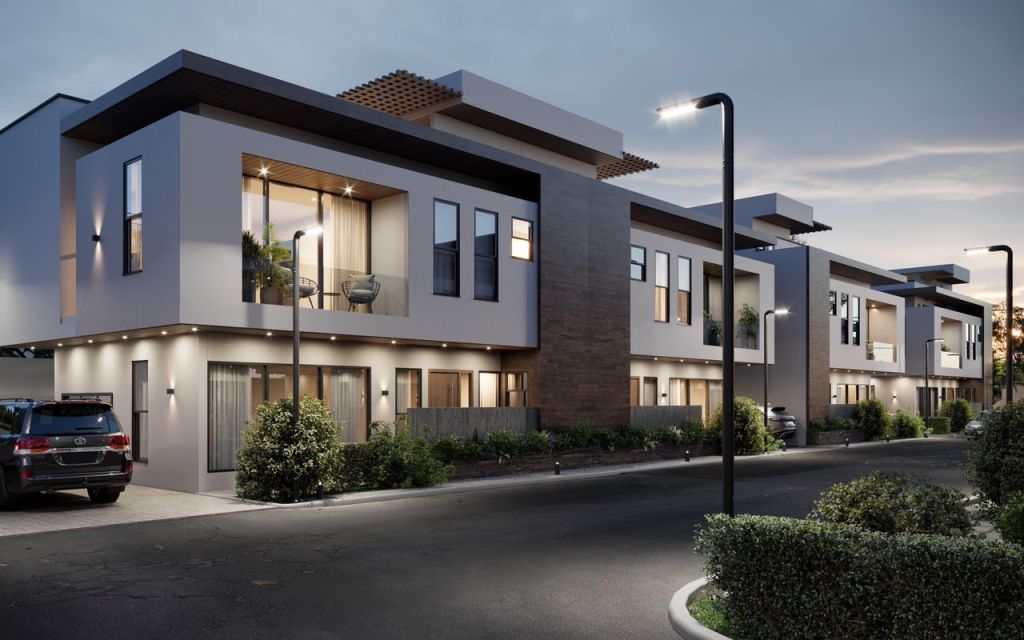
Real estate developers take on some of the most risks in the process because they are the people who decide to invest in property and develop it into something else, such as a commercial building or residential development.
Some real estate developers specialize in certain portions of the development process. For example, a developer might focus on looking at and investing in land or coordinating with contractors to construct buildings on properties.
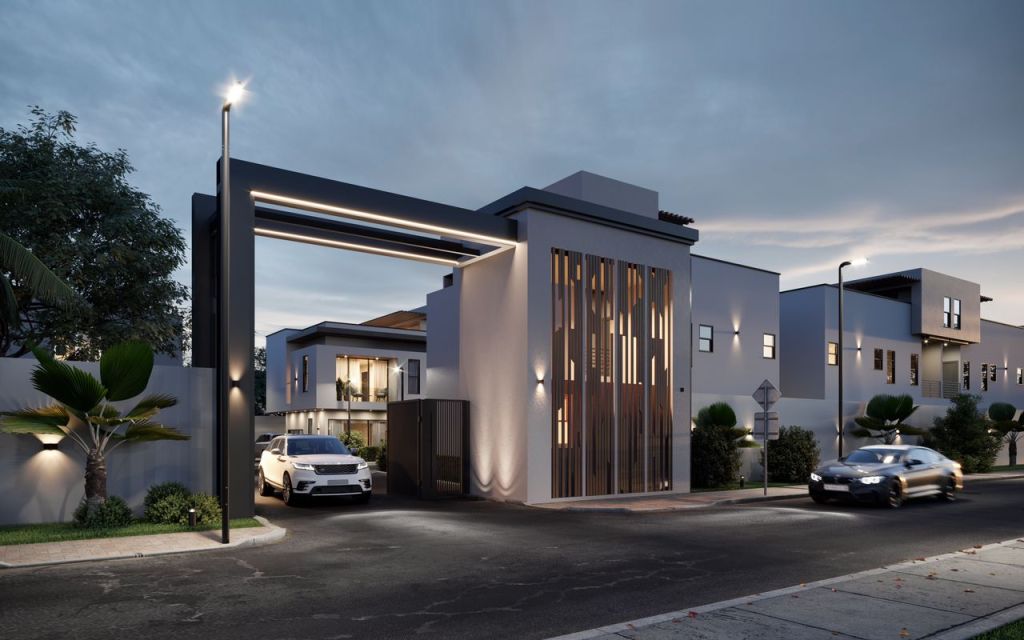
Others choose to focus on the entire process from start to finish, working with municipalities to get permits, coordinating marketing efforts and overseeing the construction process. Real estate developers often work with various counterparts in the process, including engineers, architects, contractors, city planners, inspectors, leasing agents, surveyors and lawyers.
In most states, a real estate developer must hold a state-issued license in real estate so that they can serve as the sales agent or broker in the buying and selling process. Many developers start out in the real estate industry, working with individual clients to help them buy or sell their homes.
However, that is not the only path that leads to becoming a real estate developer. Some come from construction, urban planning, law, architecture and finance backgrounds. Your background may play a role in what area of real estate development you wish to focus your career.
Common duties for real estate developers include:
- Researching property to purchase for development
- Working with other professionals throughout the development process
- Managing budgets for real estate projects
- Negotiating costs and terms with contractors
- Securing funding for development
- Establishing designs and development plans with architects and engineers
- Obtaining permits for planned development and construction activities
 THE JFT EDIT
Leave a comment