There’s been a growing conversation around regulating rent in Ghana; trying to control how landlords price and lease their properties in the name of affordability. At first glance, it sounds like a good idea. Protect tenants. Reduce rent. Make housing more accessible. The real question on the table is; are landlords actually the problem? Have we turn in the reality?
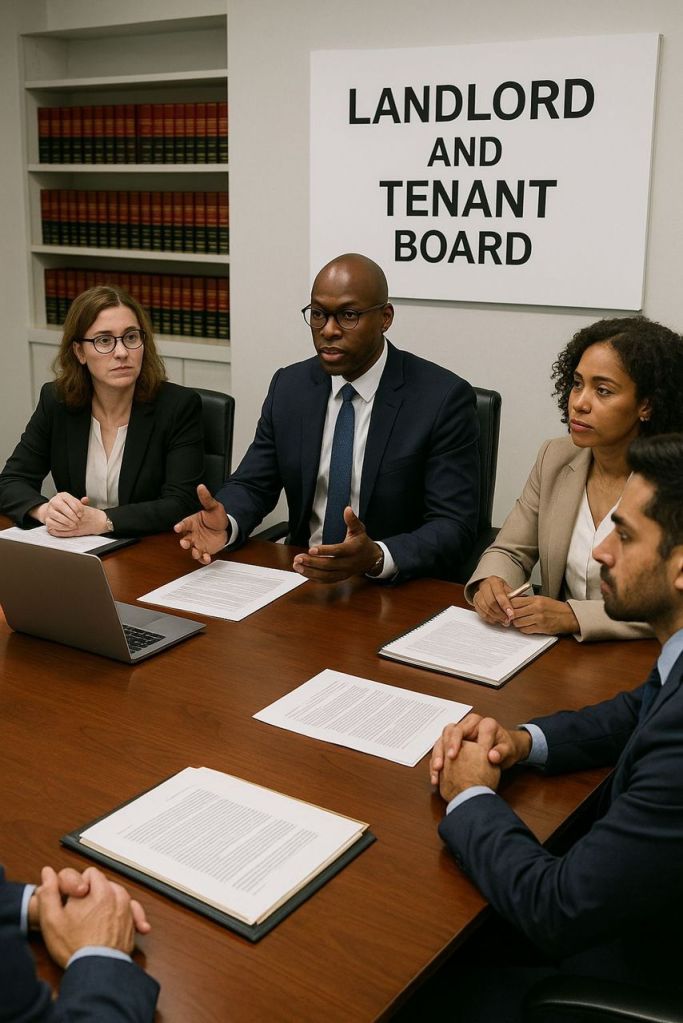
Let’s Be Honest About the Reality. In Ghana, housing options exist. The real Estate Market in Ghana sway through Scale of Preference where you can rent:
• Daily
• Weekly
• Monthly
• Or long-term
So the issue isn’t that there are no properties. The real issue is that most people simply cannot afford what is available. The issue is not duration but deficit and Landlords Are Working Within a Difficult System. Before we point fingers, we need to understand what it takes to even own rental property in Ghana. Landlords deal with:
• Expensive land acquisition
• High cost of building materials
• Unstable currency
• Limited access to affordable financing.
Building in Ghana is not cheap neither is Maintainance. So when landlords price their properties, they are not just being “greedy” they are responding to the cost of the system they are operating in.

The Problem With Over-Regulating Rent : When government policies start trying to control how landlords rent or how much they can charge; without fixing the underlying issues; it creates more problems than solutions. Here’s what can happen:
• Investors may stop building new houses
• Some landlords may switch to short-term rentals to avoid restrictions ( Increase prices)
• Property maintenance may decline
• The rental market may become more informal and less transparent
In trying to “fix” affordability, we may actually reduce supply even further.
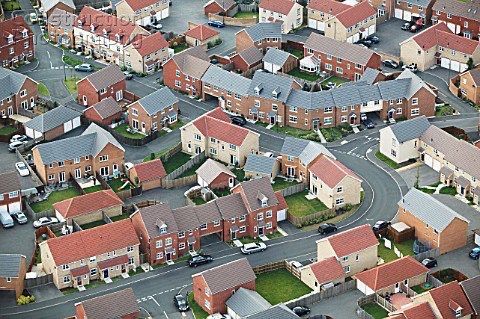
The Real Issue: Housing Deficit: Ghana’s housing challenge is not just about rent; it’s about a gap between demand and accessible housing. There are not enough affordable, livable homes for the number of people who need them.
That’s the real problem. And until that gap is addressed, prices will naturally remain high; regardless of regulations.

If Government Truly Wants to Help then the focus should shift from controlling landlords to fixing the system. That means:
• Making mortgages more accessible and affordable
• Supporting large-scale housing development
• Reducing the cost of building materials
• Partnering with private developers
• Completing and maintaining existing housing projects
Because the truth is simple; You cannot regulate your way out of a supply problem.

A Balanced View: This is not to say landlords should operate without rule but policies must be balanced. Tenants need protection, yes but landlords and developers also need an environment that encourages investment, not discourages it.
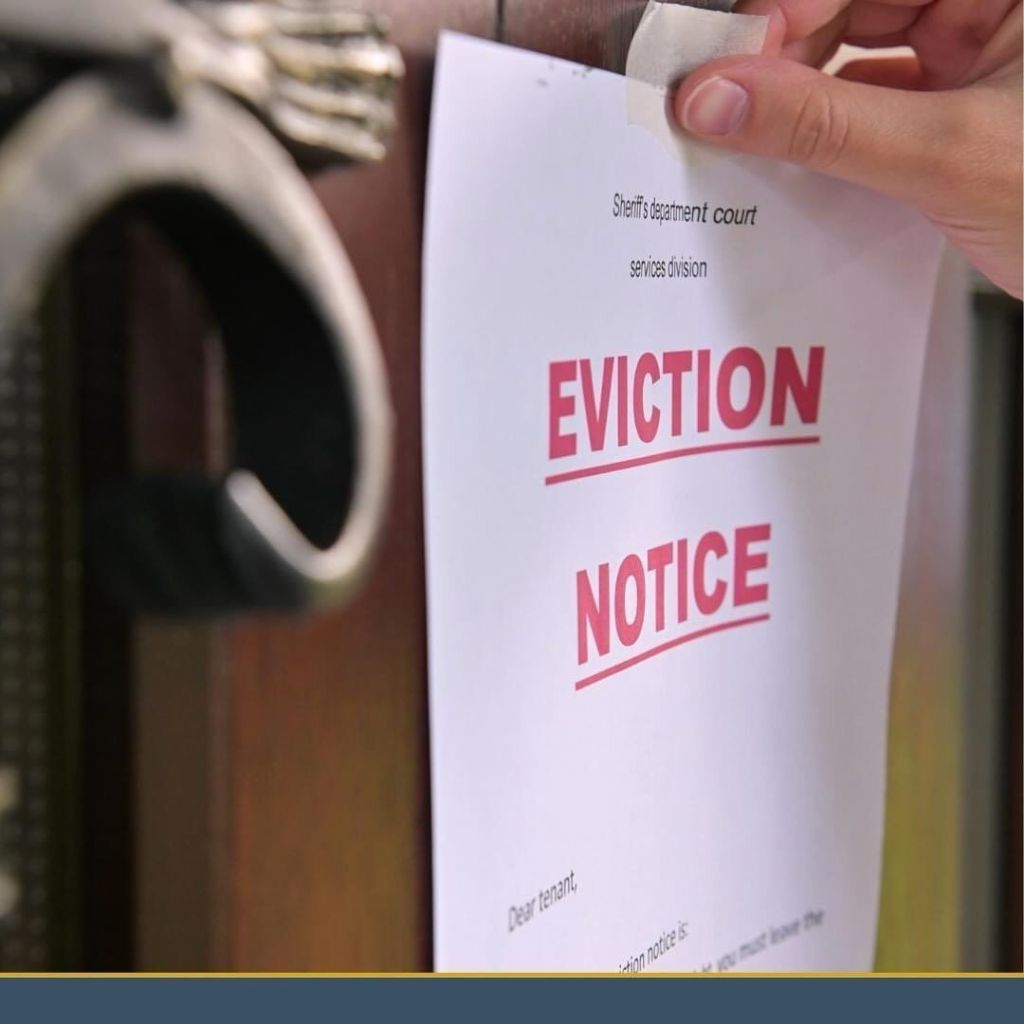
Final Thoughts: If the government wants to make housing more affordable in Ghana, the solution is not to fight landlords but to solve the housing deficit. Until then, trying to control rent without fixing supply will only make the situation worse.

Written By Jemima Fenteng – Twum
 THE JFT EDIT
Leave a comment