There is a common narrative that Ghana’s housing crisis is simply due to a lack of available homes. But that is not entirely accurate. The truth is; options existy; there are various options. From short-term rentals to long-term housing, the market offers flexibility; yet, despite this, many Ghanaians still struggle to secure decent and affordable housing. The real question is; If options exist, why does the housing problem persist?
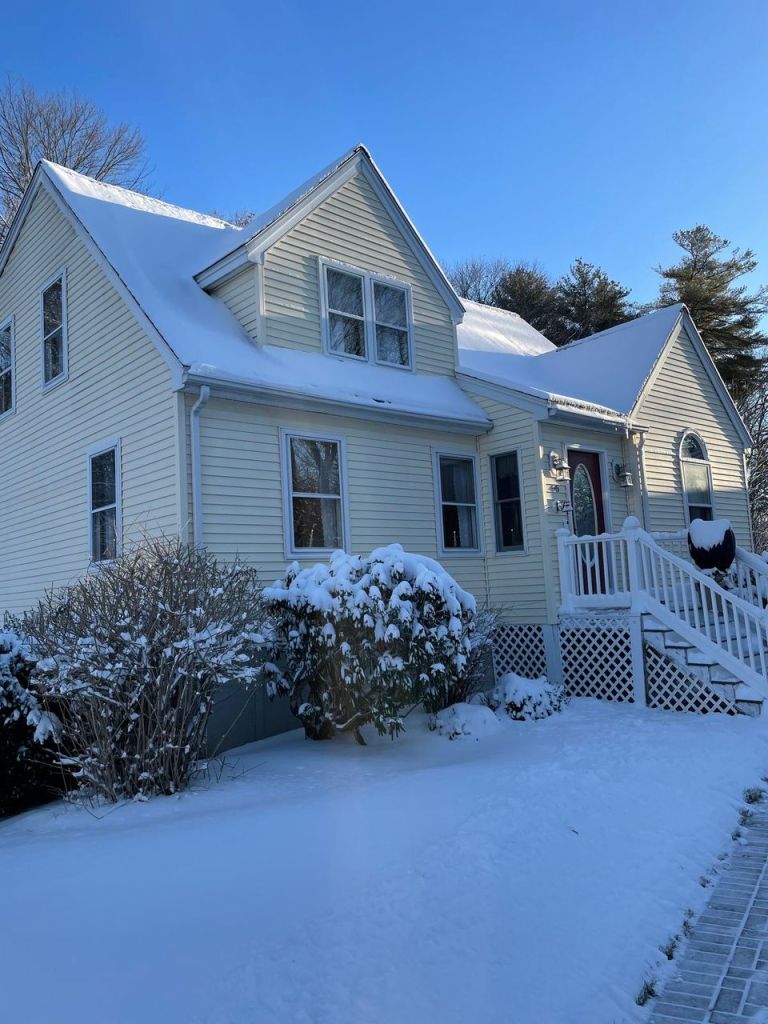
The Reality: Housing Options Are Available. In Ghana today, you can find:
• Daily rentals (short stays and Airbnb-style apartments)
• Weekly and monthly rental options
• Long-term rental agreements
This clearly shows that availability is not the core issue. However, access to these options is where the challenge lies.
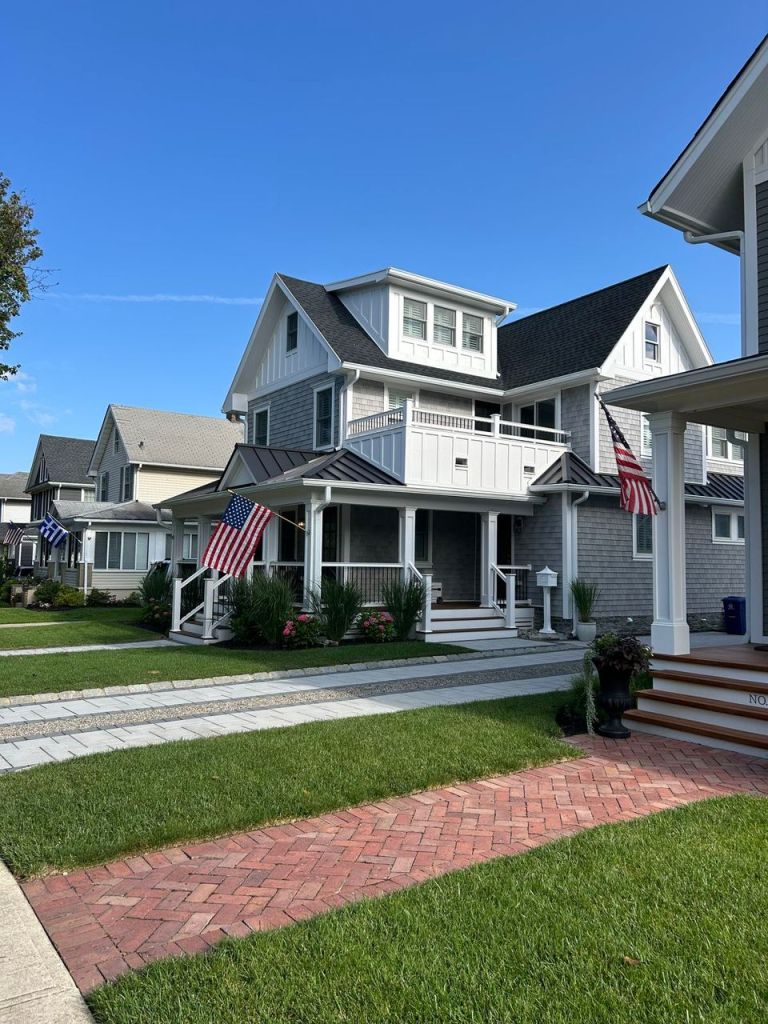
The Financing Gap: Ghana vs The United StatesOne of the biggest differences between Ghana and countries like the United States is access to financing.
In the United States:
• Mortgages are easier to obtain
• Interest rates are relatively low
• Repayment periods range from 10 to 30 years
In Ghana:
• Mortgage interest rates are significantly higher
• Repayment periods are shorter
• Qualification requirements are stricter.
This creates a system where homeownership becomes a privilege rather than a possibility for the average person.
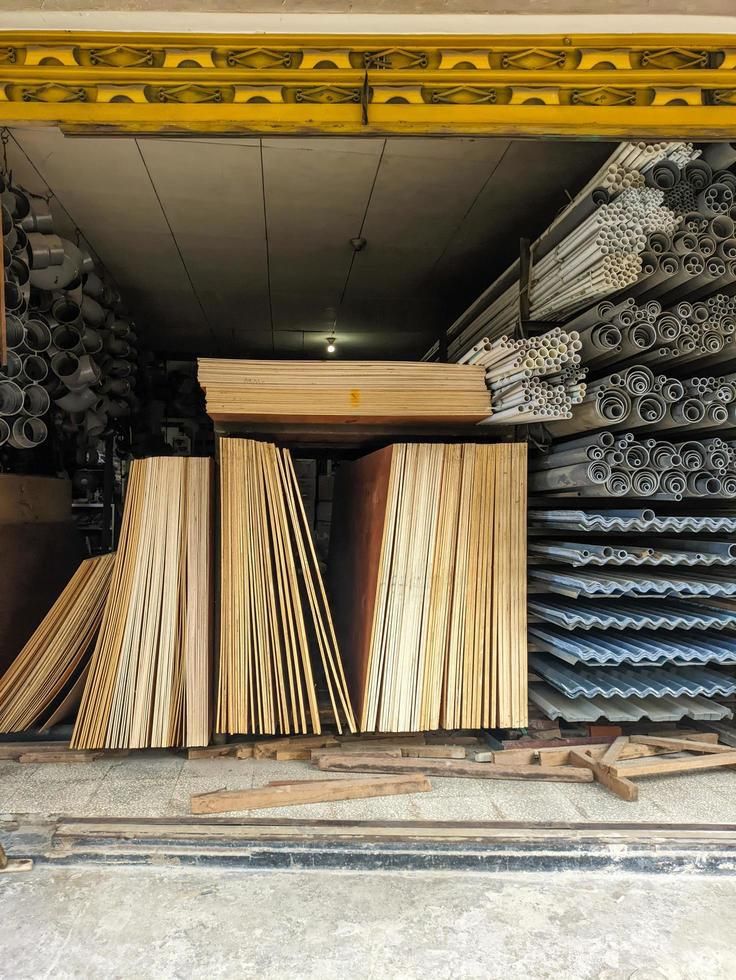
The Cost of Building: A Major Barrier Another key factor is the high cost of construction.
Building materials in Ghana are expensive, and this directly impacts property prices. Developers have no choice but to transfer these costs to buyers and renters. As a result:
• Property prices are high
• Rent is expensive
• Affordable housing becomes scarce
In many cases, properties in Ghana can even appear relatively more expensive than similar properties in developed countries.
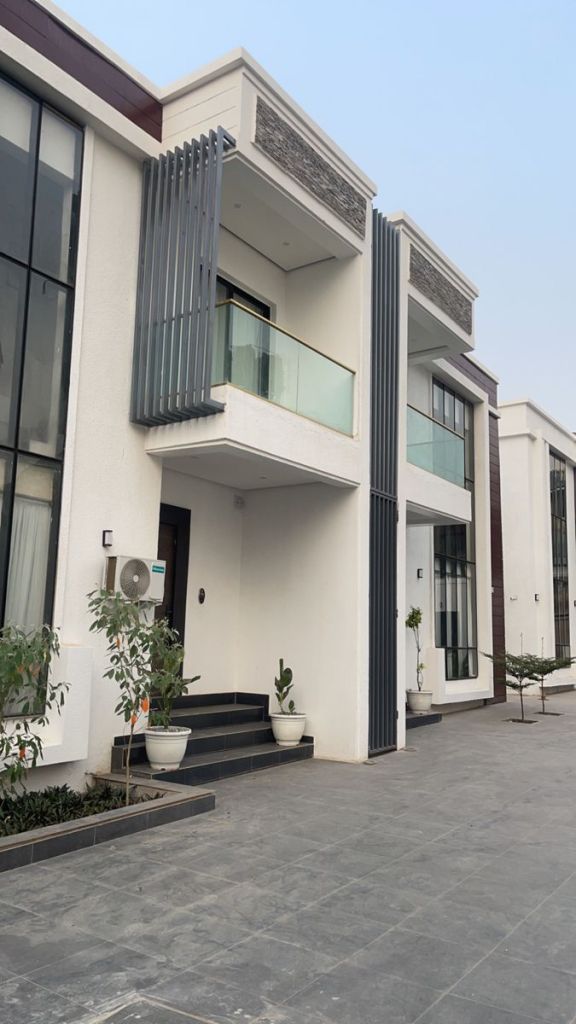
The Government’s Role: A Missed Opportunity. If the government truly wants to solve the housing deficit, one obvious solution would be to build more houses to compete with the private market. In theory, this could:
• Increase supply
• Reduce prices
• Improve accessibility
But in reality, Ghana’s experience tells a different story. Many government housing projects:
• Remain incomplete
• Are poorly managed
• Lose value over time
This raises a critical concern;execution. The Hard Truth is not that Ghana lacks ideas or even resources. The real issue is that:
• Systems are weak
• Implementation is poor
• Accountability is limited
So while building more houses sounds like the solution, without fixing these underlying problems, the outcome remains the same.
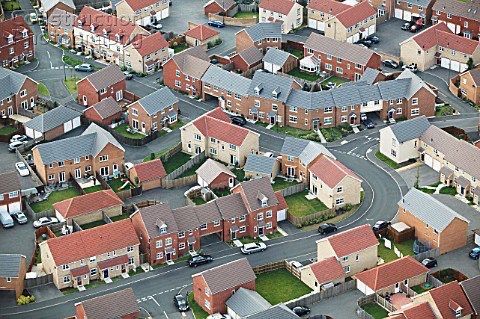
Ghana’s housing deficit is not just about supply; it is about structure, financing, and execution.
Yes, there are options.
Yes, houses exist.
But without:
• Affordable mortgage systems
• Reduced construction costs
• Effective government execution
…the housing crisis will continue. At this point, it is difficult to ignore the reality: the challenge is not just a shortage; it is a systemic failure.
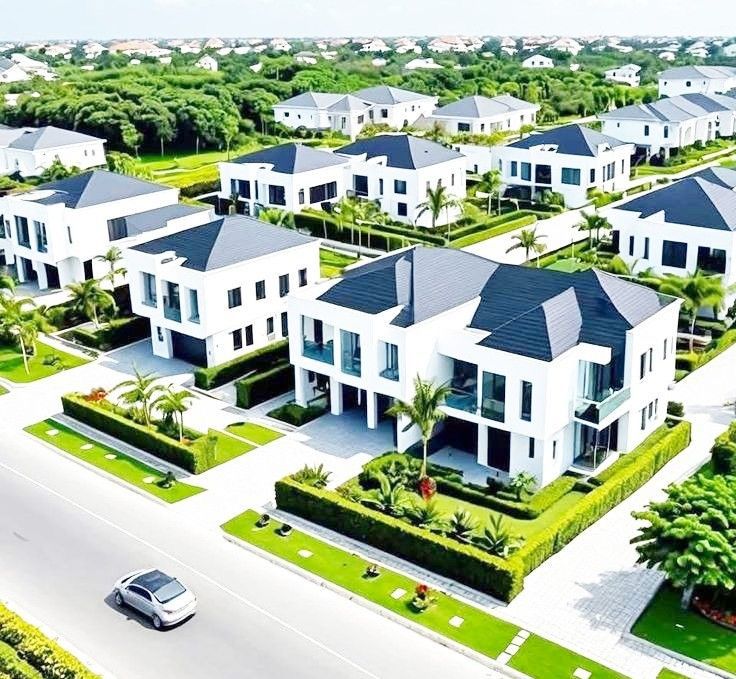
About the Author : This article is published by Jemima Fenteng – Twum, a results-driven real estate brokerage in Accra, specializing in property sales, rentals, and management
 THE JFT EDIT
Leave a comment