The site provides Real Estate news, guidance, and information for both real estate agents and home owners. Covering topics such as construction, mortgage advice and much more. Let us guide you in your real estate decisions.
I’m Jemima Fenteng-Twum; a finance and real estate strategist with a passion for helping individuals and entrepreneurs build wealth and create sustainable businesses. With a strong background in investment, business development, and advisory, I’ve worked with professionals, investors, and startups to make smart financial decisions and scale their ventures.
This blog is where I share practical, experience-based insights into:
•Personal finance
•Real estate investing (especially in Ghana and Africa)
•Business development and growth
•Wealth-building strategies for long-term success
My mission is simple; to empower ambitious professionals and entrepreneurs; especially in emerging markets to make informed financial decisions and achieve lasting financial freedom.
I write for people like you, whether you’re building your first business, buying your first property, or looking to multiply your income streams. When I’m not advising clients or writing, I enjoy trying new recipes, exploring real estate opportunities, and mentoring aspiring entrepreneurs.
Let’s connect Follow me on https://www.linkedin.com/in/jemima-fenteng-twum-pb-805012141?utm_source=share&utm_campaign=share_via&utm_content=profile&utm_medium=ios_app or send a message to collaborate.
Finding the best real estate deals online is a lot easier than you might think.
1) Make sure your budget is realistic and that you have a plan for how to pay for the home.
2) Figure out where you want to live (city, state, zip code).
3) Figure out what type of home you want (single-family, condo, townhouse, gated community).
4) Find listings in your desired area. ( Be specific)
5) Narrow your search based on price and other criteria.
6) Contact the listing agent with questions and set up an appointment to see the property. ( Always know what you are making payment for. Remember; pictures are not enough)
The Housing Market in the USA is known to be extraordinarily friendly and convenient for any foreigner who wishes to invest in properties throughout the country.
3d render illustration of United States real-estate development
The short answer to whether a foreigner can buy a property in the US is “yes”. Whilst some countries restrict the sale of land and property to natives the US does not. Further to this the conditions associated with foreigners buying a property in the US are generally very similar or identical to a native buying property.
There are some private developments that may impose local regulations. This includes cooperatives, condominiums or other such associations. Among the many rules imposed by such associations may be the control of who purchases the property under their umbrella association.
LENDING The first major consideration most buyers will encounter is lending and what options are available to them as a non-resident. Even if you are not a resident, you can take out a mortgage in the US but lenders will typically demand large deposits, of perhaps 40% or more, to offset the risk associated with selling to a non-resident buyer. Some other basic requirements might apply, such as having an existing account with deposits of about $100,000 or more in a private bank with operations in the U.S. Be aware there may be taxes associated. In New York, the mortgage tax is generally 2.8% of the loan. This means that if you obtain a $1 million mortgage, you are subject to $28,000 in taxes. Also be prepared to pay an above average interest rate to reflect the perceived risk the bank associates with lending to a foreign buyer.
ESTATE AGENTS Working with a real-estate agent is not a requirement to buy a house in the U.S., but should you decide to work with one, you don’t need to worry about commission fees. The seller pays his or her listing agent a commission of usually between 5% and 6% of the sales price at time of closing, and the agent then shares this money with the buyer’s agent if there is one. There is no set rule mandating how the commission should be split between the two agents, and the fee isn’t always divided evenly. So, when you use your own agent, you do not pay them. Your agent will contact the listing agents and show you as many properties as you’d like to see.
LEGALS & IDENTITY It can be difficult to negotiate the purchase of a property and then proceed to closing when you are not present. It will inevitably involve providing Power of Attorney to an agent in the U.S. who will then to be able to sign on your behalf. There will be a legal cost associated with this service that needs to be considered. In an effort to combat money laundering your identity generally must be disclosed when buying a property in the U.S. through an offshore company. This rule generally applies to cash-only purchases but may be extended to all purchases.
TAXES One thing that is a certainty in any real estate transaction is taxes. Unfortunately, these can be more complicated in land transactions involving foreign nationals, given that the tax laws of more than one country may apply. Different nations have different tax treaties with the U.S., so before finalizing any deals it is important to consult with a local tax expert in your country and possibly in the U.S. as well. Sometimes these laws may require a certain tax payment in the U.S. and a separate payment in the home nation, and some may only require taxes to be paid in the U.S. Property taxes vary from state to state, and even within states, from 2.076% in Bergen County, New Jersey to 0.251% in Hawaii County, Hawaii.
On a related note, foreign buyers who finance their purchases with a 40% to 50% down payment are usually able to avoid paying income taxes on any rental income derived from the property for the first 10 to 15 years. This results from the types of expenses the U.S. government allows taxpayers to deduct from their income when filing income taxes. Things like mortgage interest, common charges, property taxes, and depreciation are included in these calculations, often leading to “negative income” calculations, meaning no taxes will need to be paid. This will eventually change the longer the property is owned, as some of these deductions eventually begin to run out, but this can be a great means of avoiding taxes on investment properties for a number of years.
When selling the property, the foreigner will always be subject to U.S. capital gains taxes. As a result, the foreign seller will automatically have 10% of the gross purchase price of the property withheld by the U.S. Internal Revenue Service.
“Land monopoly is not only monopoly, but it is by far the greatest of monopolies; it is a perpetual monopoly, and it is the mother of all other forms of monopoly.” –Winston ChurchillAcquisitioning of Lands in Ghana can be as easy as you could ever expect and complicated as you could least expect. Get the right Real Estate Consultant with much experience and diligence to guide you through the journey.
Meanwhile, Ryward Real Estate has got you covered with the below steps :
1.Checks Make sure to carry out thorough checks about the land. You can consider the services of a land lawyer to do the check and research on the land and prove its availability. Conduct checks with government land overseers to establish if the land has been earmarked for any developmental projects.
Acquisition and Negotiation Once you confirm the availability and suitability of the land, you can begin negotiations. Be mindful that you need to be dealing with the rightful owner of the land. Note going through a middleman is not advisable.
Document Endorsement After the agreement, make three copies of the agreement document. A land lawyer will need to endorse the agreement documents. Each copy of the agreement must have a copy of the site plan attached. You will also need to have two extra copies of the site plan. The buyer and owner of the land must sign and endorse the back of the site plan. A licensed land surveyor and regional surveyor will then certify the site plan by stamping on it.
Witness The law requires that the buyer and the landowner have at least two qualified people to sign as witnesses. The purpose is to testify to the proceedings taking place in the event of any case or challenge of ownership about the land.
Lands Commission Once you endorse all the documents, you send them to the Ghana lands commission together with a processing fee. This is so the processing and registration of the land begins. After processing, the Ghana Land Valuation Board get the documents to stamp and certify.
IRS The Internal Revenue Service handles taxes associated with the registration process. The IRS gets the documents for tax clearing of the land. Once complete, you (the buyer) get a tax clearance certificate which you send to the lands commission for final registration at the deeds registry.
Original Copy At the deeds registry, you get an original copy of the land title document.
Many people dream of building wealth. A goal that can seem harder and harder to achieve simply because of lack action. One of the strongest wealth-building vehicles overtime has been the investment of Real Estate. Not just a dwelling, but specifically in the land itself. The history of real estate investing has surprisingly been traced back to cave man drawings and from the looks of it…it’s not going anywhere soon.
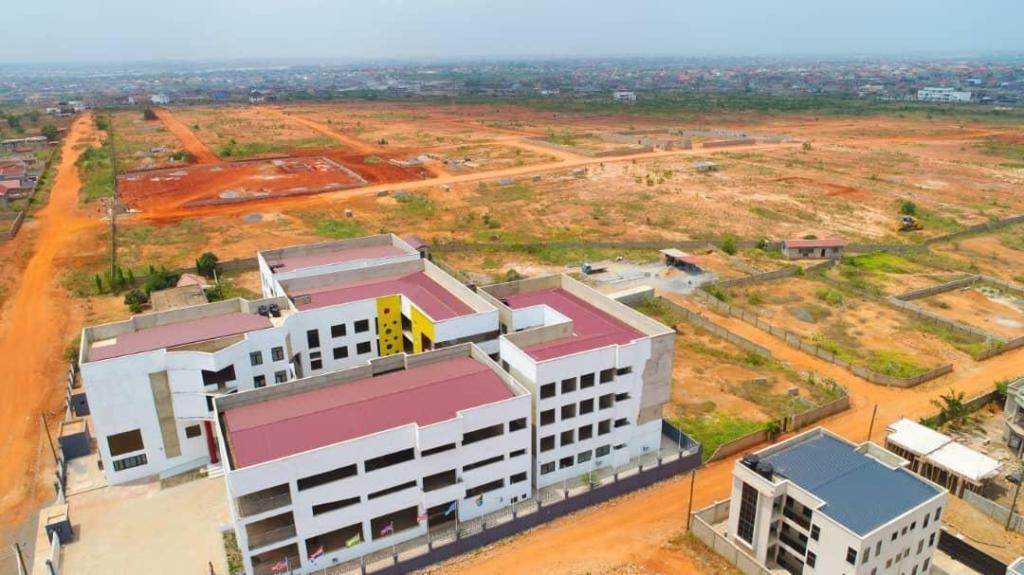
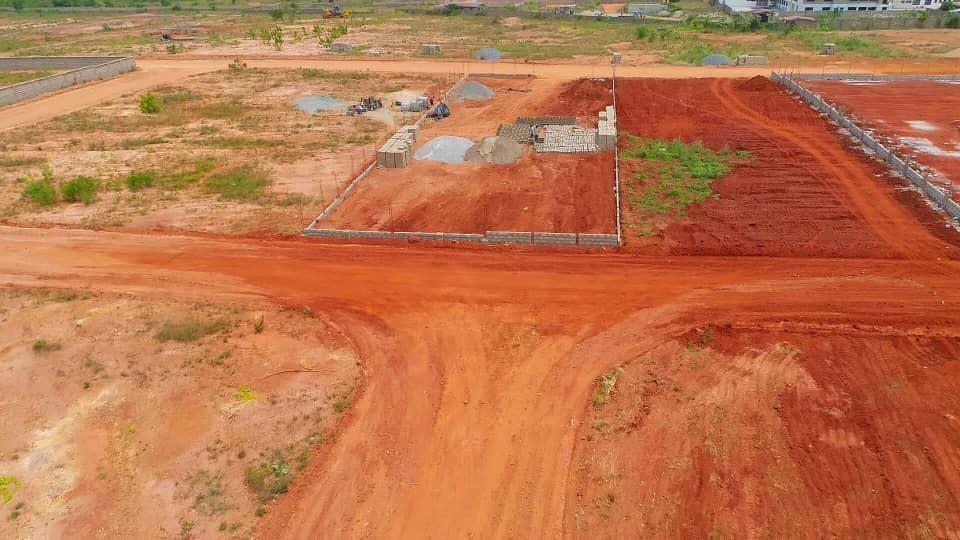
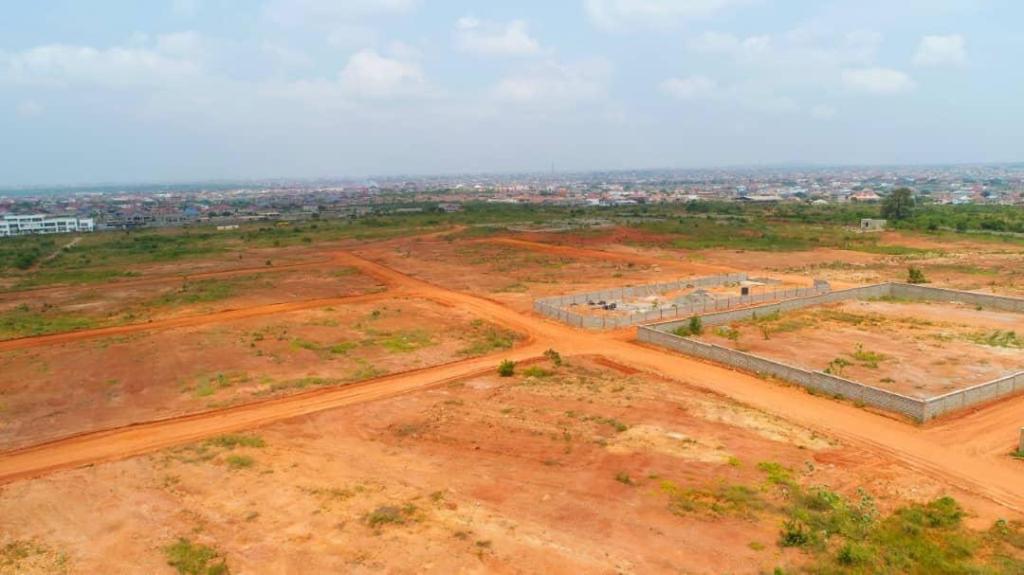
BIRD-EYE VIEW
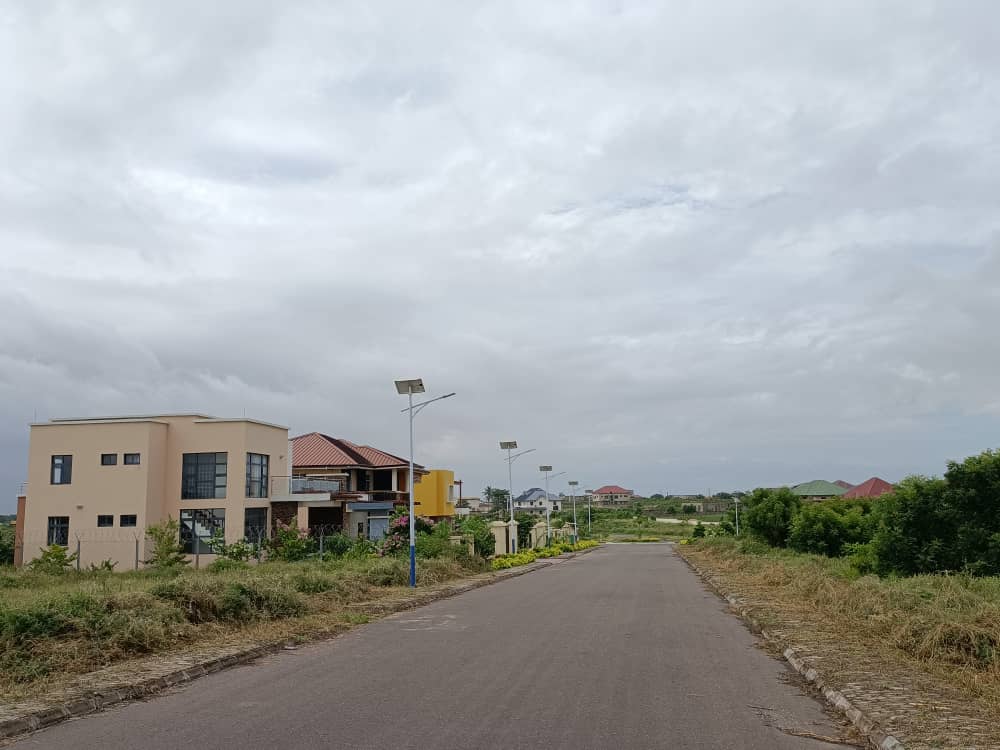
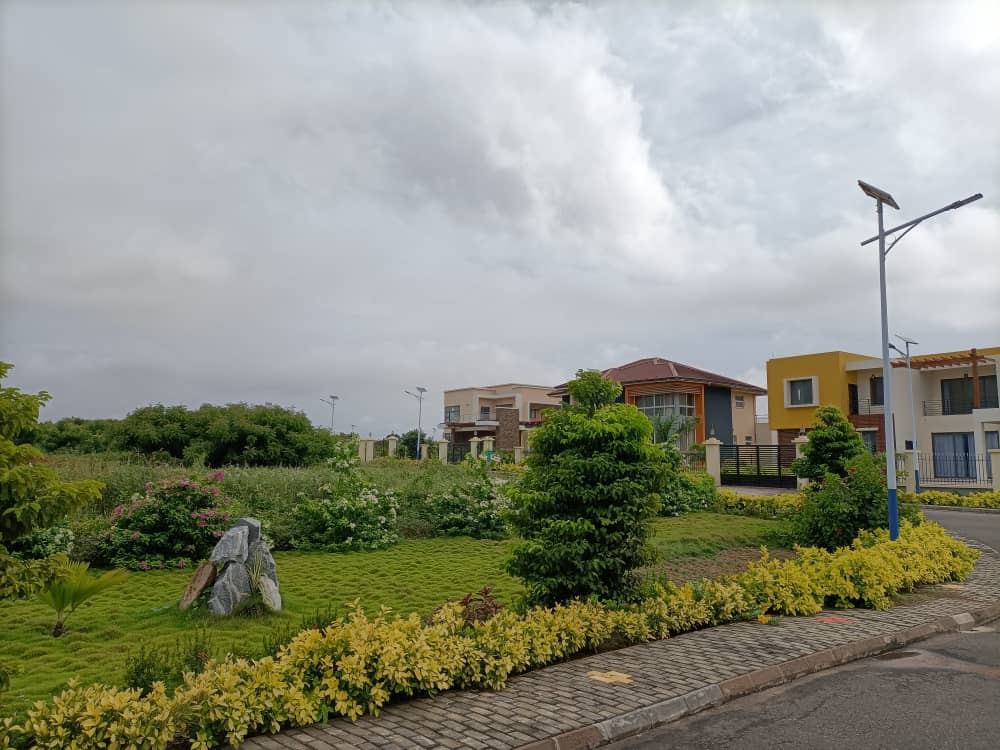
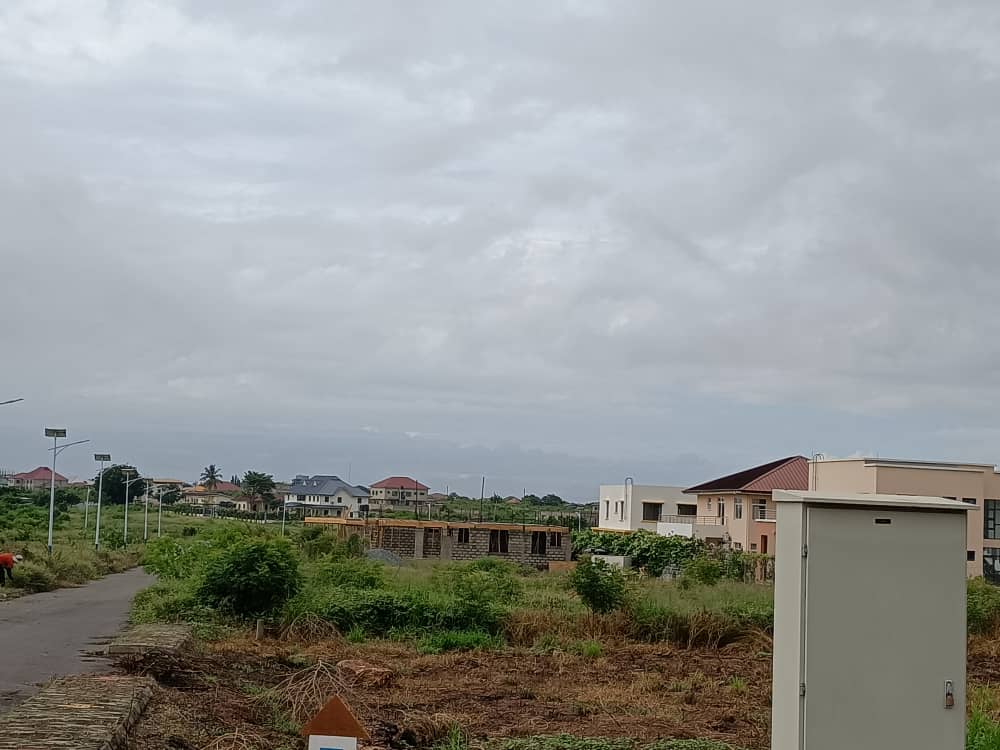
East Legon Hills is currently the fastest growing business community with most businesses moving to that area. This 50 plus walled acres lies just close to the New Canadian International school (White Building Captured in one of the pictures) and on the a hill which overlooks the rest of East Legon and it’s environs.
With no litigations and all documents available, is an assurance of having so much piece of mind throughout your development stages to completion and moving in.
PRICE : $ 40,000 (Ghc 240,000 approximately)Contact Us on +23359400255 / +233594002577 for more details and to book for site tour http://www.rywardproperties.com . . .
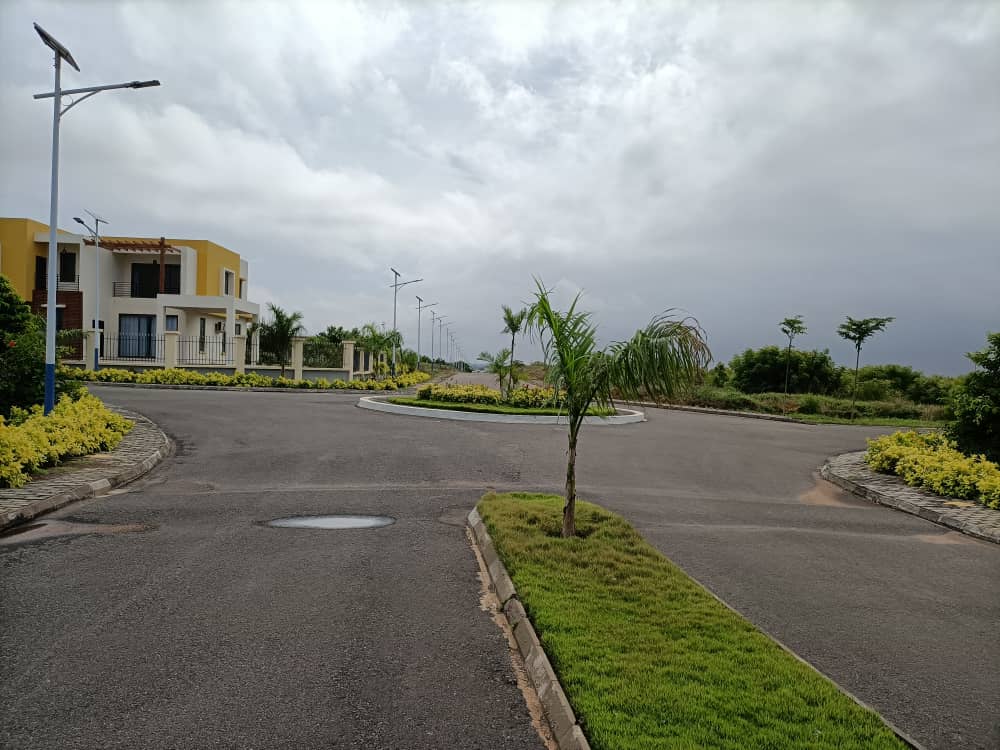
HAVE YOU HEARD of the first class residential area within Tema Metropolis?Community 23 ; is strategically located off the Accra-Tema motorway and somewhat behind East legon Hills.You can get to Tema Community 23 within a driving space of 20 minutes from the Kotoka International Airport and less than 15 minutes drive from Community 23 to KIA. Now, have you dreamt of living in an Ultramodern Gated community? If your Answer is YES (which I know it is,) then look no further.
This is a newly built gated community with amazing amenities like *24hours Security Post with Occasional Patrol System *Underground Drainage System *Underground Electrification *Tarred Roads *Landscape
Also with amazing proposed facilities such us *Children Play-ground *Tennis Court *Basket Ball Court *Golf Course *Sports Corridor *Swimming Pool *Gyim
Prices start from $62,000 ( Ghc. 372,000 Approximately ) You get to have Flexible Payment Plans. -Outright (For Amazing Discount) -3 Months Payment Plan -6 Months Payment Plan -12 Months Payment Plan
Real estate is real property that consists of land and improvements, which include buildings, fixtures, roads, structures, and utility systems. Property rights give a title of ownership to the land, improvements, and natural resources such as minerals, plants, animals, water, etc.
Types of Real Estate
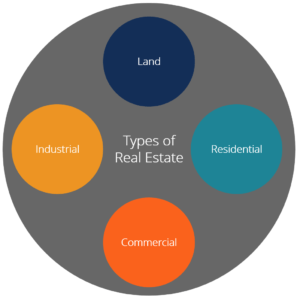
There are several types of real estate, each with a unique purpose and utility. The main categories are:
Land
Residential
Commercial
Industrial
For anyone looking to understand how the industry works and what each of the major categories represents, the explanations below will be a helpful guide.
#1 Land
Land is the baseline for all types of real property. Land typically refers to undeveloped property and vacant land. Developers acquire land and combine it with other properties (called assembly) and rezone it so they can increase the density and increase the value of the property.
#2 Residential
Residential real estate consists of housing for individuals, families, or groups of people. This is the most common type of estate and is the asset class that most people are familiar with. Within residential, there are single-family homes, apartments, condominiums, townhouses, and other types of living arrangements.
#3 Commercial
Commercial property refers to land and buildings that are used by businesses to carry out their operations. Examples include shopping malls, individual stores, office buildings, parking lots, medical centers, and hotels.
#4 Industrial
Industrial real estate refers to land and buildings that are used by industrial businesses for activities such as factories, mechanical productions, research and development, construction, transportation, logistics, and warehousing.
Examples of Real Estate
Now that we’ve outlined the four main categories, let’s explore some specific examples of different types of real property.
Single-family dwelling – Any home designed for only one family
Multi-family dwelling – Any group of homes designed for more than one family
Attached – Any unit that’s connected to another (not freestanding)
Apartment – An individual unit in a multi-unit building. The boundaries of the apartment are generally defined by a perimeter of locked or lockable doors. Often seen in multi-story apartment buildings.
Multi-family house – Often seen in multi-story detached buildings, where each floor is a separate apartment or unit.
Condominium (Condo) – A building with individual units owned by individual people.
Detached house – A free-standing building not connecting to anything else (a stereotypical “home”)
Portable house – Houses that can be moved on a flatbed truck
Mobile home – A vehicle on wheels that has a permanent residence attached to it
Villa – A building with only one room and typically a steep pointy roof
Hut – A dwelling typically made of raw materials such as bamboo, mud, and clay
Overview of Real Estate Industry
Let’s explore how the industry works and what the major jobs and careers are. The real estate industry can be divided into several different areas:
Development
Sales and marketing
Brokerage
Property management
Lending
Professional services (law, accounting, etc.)
#1 Development
Real estate development is a process that involves the purchase of raw land, rezoning, construction and renovation of buildings, and sale or lease of the finished product to end users. Developers earn a profit by adding value to the land (creating buildings or improvements, rezoning, etc.) and taking the risk of financing a project. Development firms create a new product, which can be thought of as the “primary market” or generation of new inventory.
#2 Sales and marketing
Sales and marketing firms work with developers to sell the buildings and units they create. These firms earn a commission for creating all marketing material and using their sales agents to sell the inventory of completed units. These firms typically focus on new units.
#3 Brokerage
A real estate brokerage is a firm that employs a team of real state agents (realtors) who help facilitate a transaction between the buyers and sellers of property. Their job is to represent either party and help them achieve a purchase or sale with the best possible terms.
#4 Property management
Property management firms help real estate owners rent out the units in their buildings. Their jobs include collecting rent, showing units, fixing deficiencies, performing repairs, and managing tenants. They charge a fee, typically a percentage of the rent, to property owners.
#5 Real estate lending
Lenders play a major role in the industry as virtually all properties and developments use leverage (debt) to finance their business. Lenders can include banks, credit unions, private lenders, and government institutions.
#6 Professional services
There are a variety of real estate professionals who work in the industry and help make it function. The most common examples (other than the ones listed above) are accountants, lawyers, interior designers, stagers, general contractors, construction workers, and tradespeople.
Careers in Real Estate
If you’re looking for a career in real estate, you may want to consider any of the above six areas of the industry.
Here are the most common jobs (titles) in the industry:
Analyst – Performing financial analysis and valuation of properties
Appraiser – Valuing properties
Agent – a sales agent or “realtor”
Building Inspector – Someone who examines buildings and works with appraisers
Commercial Broker – An agent who sells commercial properties
Director of Real Estate – A corporate job
Home Inspector – Someone hired to assess the quality of a home for a seller or purchaser
Loan Underwriter – A person who analyzes the creditworthiness of a borrower
Mortgage Specialist / Underwriter – A person who approves mortgage applications
Real Estate Attorney – A lawyer who specializes in real estate transactions
Learn more about residential real estate from the National Association of Realtors.
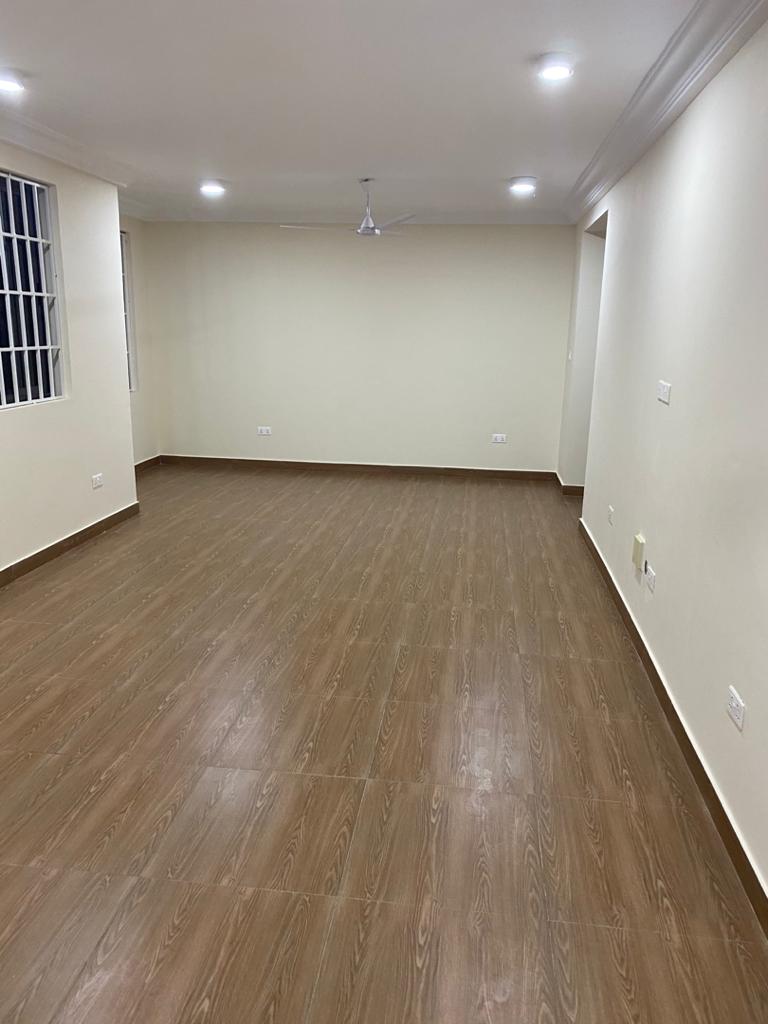
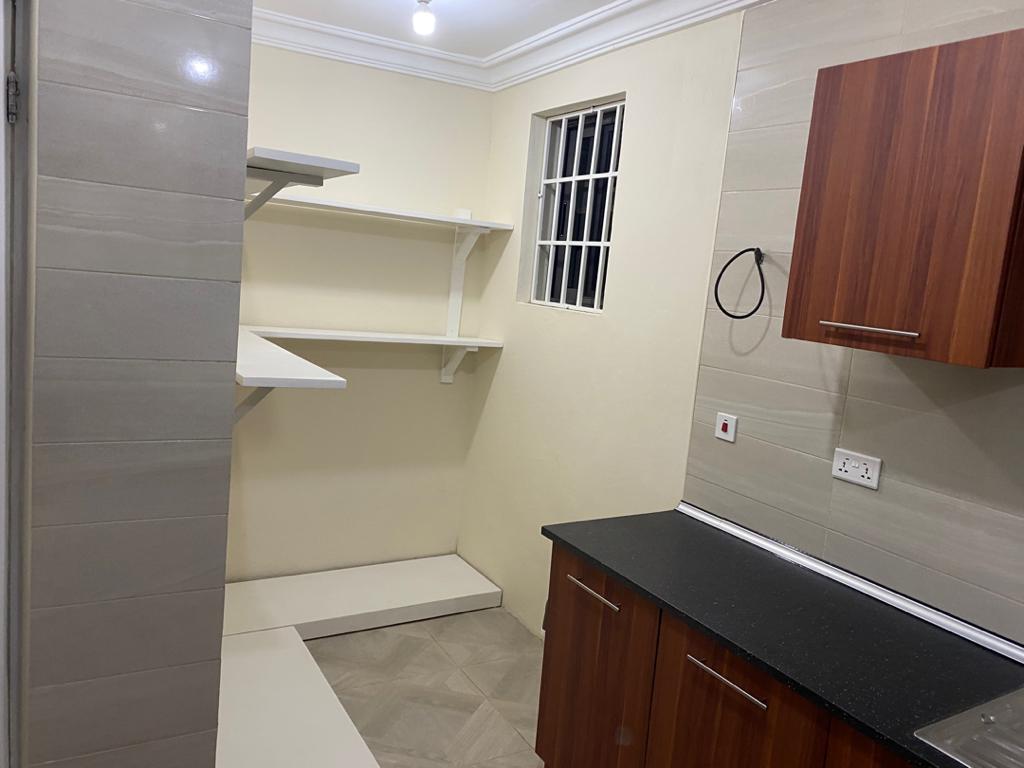
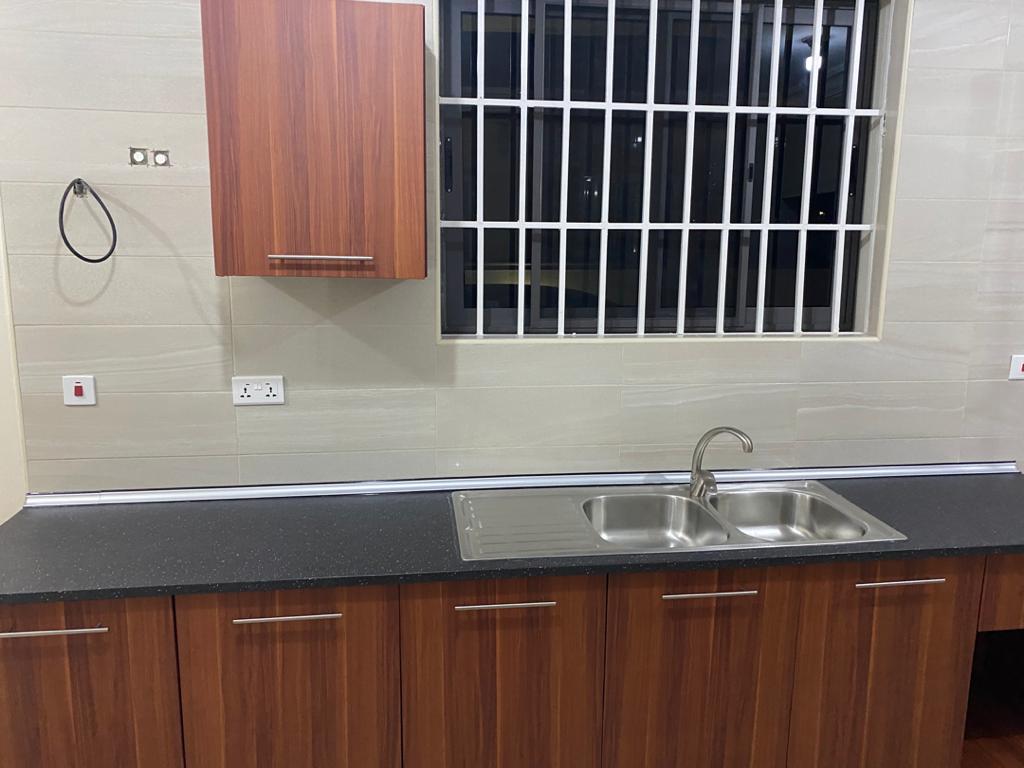
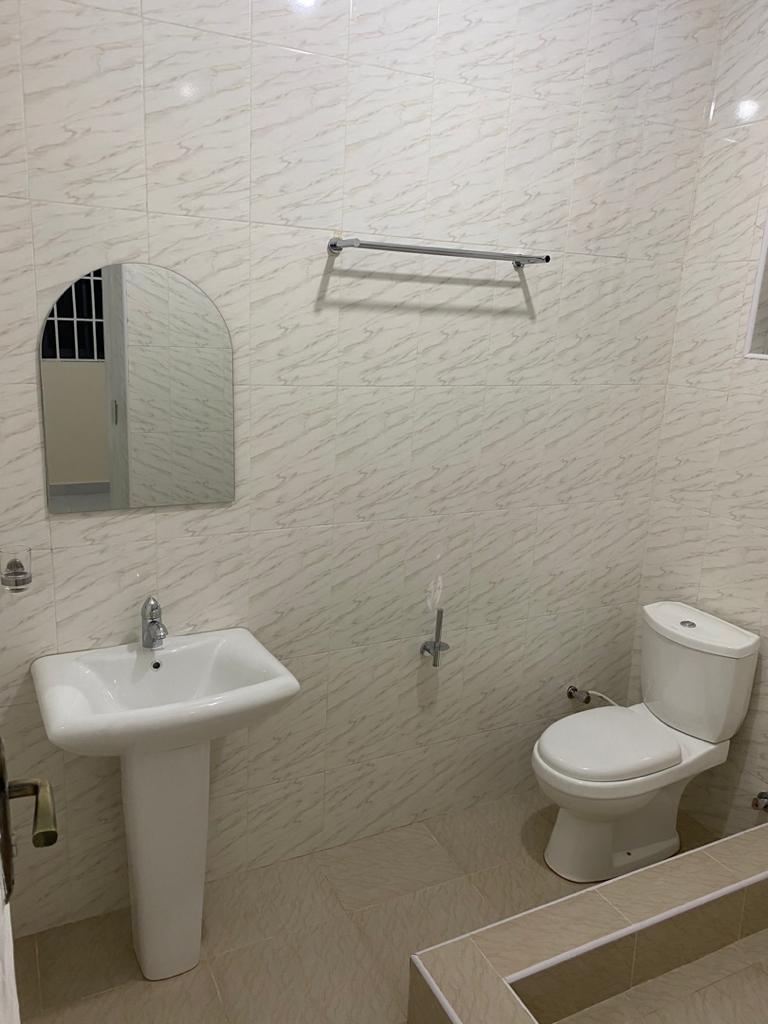
Apartment searching can be exciting for home-buyers. it’s an opportunity for them to upgrade their life and to many; the easier property to afford. Home-buyers will be thrilled to find a better location, a better price, better amenities with this amazing 2 Bedroom Unit with spacious rooms. Make yourself at home in our cosy, modern apartment.
We have a “get it done” attitude. We are passionate about seizing opportunities in every aspect of our business. Our company’s foundation is built on drive and hard work. We are committed to keeping our foundation strong.
Commitment
We are committed to loyalty to our clients and each other, to provide long-term opportunities and stability. We are committed to provide first class service in every dealings.
Teamwork
We ensure success through building lasting relationships with our clients and each other. We have established an environment where teamwork and collaboration are encouraged and celebrated. We believe that a partnership with our clients is created in every transaction.
Integrity
We live up to our commitments, responsibilities, and promises. We focus on honest communication and building long-term relationships in which trust is primary. Our actions always reflect our commitment to serving our clients’ interests.
Optimism
We seek the opportunities to help you turn your dreams of possibilities into probabilities.
Notability
All of our efforts should translate into actions that are imaginative, unique, and notable. Our competitiveness is driven by our ability to deliver solutions that are unique and notable.
Our Mission Statement
RyWard Real Estate Company Limited is a privately owned real estate firm dedicated to serving the real estate needs of our clients with the utmost professionalism, quality service, and unfailing attention to detail. We effectively and empathetically guide and assist our clients with the purchase or sale of their homes. We respect that this is a critically important financial and emotional transaction.
We pledge to serve our clients with Honesty, Diligence, Professionalism, Expertise, Excellence, Competence, Quality and Integrity to interact with enthusiasm and humor.
Our clients benefit from our detailed systems implemented by our team of carefully trained specialists. We work together to ensure that no detail is overlooked. We use our experience to anticipate and deflect potential problems in order to facilitate a smooth transaction.
Our ultimate mission is to provide first class service to all of our clients. The kind of first class service that will earn your Trust, Respect and Future Business for a Rewarding Satisfaction.
The first three months of the year happened to be the worst quarter for many years for the office market in Poland, but now demand is slowly returning. Landlords are counting on being able to complete their current negotiations by the autumn – and the development market should be back on track in two to three years
At the end of the first quarter of the year, Polish property agents were all wearing rather long faces. As Tomasz Czuba, the head of office leasing and tenant representation at JLL, points out, over this period there were only 162 leasing transactions and only one of over 10,000 sqm. Renegotiations took a far larger share of the market than normal and the number of new leases slumped. “Over the last few years, we have only seen lower quarterly figures in 2009, during the financial crisis. For example, the 2,000 sqm recorded for such a big market as Łódź is way below the city’s potential,” he explains. The largest fall in demand could be seen in the regions, where it dropped by up to 55 pct y-o-y. In Warsaw, the demand in the first quarter fell by 20 pct y-o-y, which means that across the country it was down by around 40 pct.
Green shoots of recovery
Nonetheless, it looks as if the worst of this is now behind us. “Since March we’ve seen a greater number of enquiries, although there were no meetings – for obvious reasons – until the middle of April. Later, when we were coming out of the lockdown, there was an avalanche of viewings, as potential clients started venturing out to look at office space. And since that time there has been more and more of them,” reveals Richard Aboo, the chief commercial officer at Immobel Poland. Adam Ambroziak, the office director at Cream Property Advisors, sees the situation in much the same way and points to the growing number of office space reservations in Warsaw: “The Warsaw office space that was recently available is now often booked up when I ask about it. This is a clear signal to me that we are returning to some kind of normality,” he believes. In his opinion, those tenants who had previously held back due to all the Covid-related turmoil, have now managed to sort out their affairs enough to think about leasing offices again. “They no longer consider renegotiations or relocations to be temporary or interim activities, but instead they’ve already started taking long-term decisions,” points out Cream’s director.
Adam Ambroziak of Cream Property Advisors
After all, the most characteristic feature of the market over the last 18 months has been the fact that many tenants have been playing wait-and-see. They have also been prolonging their leases or trying to use the instability of the market to reduce their costs, even though many companies haven’t suffered any kind of huge impact on their revenues due to Covid. “Generally speaking, such cost cutting succeeded and resulted in new terms from landlords. Now we’re seeing the balance returning to tenant-landlord relations and that starting rates and general rental terms, including financial incentives, are similar to what they were before the pandemic,” claims Adam Ambroziak.
The main sources of demand that predominated on the market before the outbreak of Covid are also returning. Chief amongst these was the business service sector. Such companies are now developing their services and expanding across Poland once again. “This bodes very well for what’s going to happen in the future,” believes Tomasz Czuba.
What do we need?
One thing that is certainly not helping developers, however, is that it seems to take rather longer to negotiate a lease than it did pre-Covid. According to Richard Aboo, it’s fair to say that if a lease took around six months to negotiate, then today it’s more likely to take eight or nine months. The reason could be that tenants are not yet sure exactly how they will operate in the post-Covid world. “Companies are often having much greater difficulty in specifying the criteria their future offices should meet. They don’t seem totally sure about how many people will work in the office and how many from home or in a hybrid format. What can you do if only 20–30 pct of your team return to the office? The briefings we are getting from our clients are often not totally clear on this point and all this raises a lot of questions. For example, we don’t know how much space is needed for informal meetings, or how large the common areas or recreation space should be. We often don’t even know how many work stations will be required,” admits Richard Aboo. All of this is complicated by the fact that new attractive offices are playing a crucial role in enticing workers back to the office. “This is the biggest headache today: how to attract employees back to the office. That’s why you can’t approach leases the same way you did 10–15 years ago, when it was all about the cost of each square metre. It’s now the case that a difference in rents of one euro is no longer that important – what’s crucial is how the office is going to be used. Usually, the lease doesn’t play a big role in the operational costs anyway, and definitely what counts more is what can be gained by leasing an office that suits your needs,” he adds.
Richard Aboo feels that right now, and more than ever before, the best thing for helping tenants to reduce the time they spend on the leasing process and to identify what their true needs are, is a workplace management study. The relocation process needs to begin with talking to the management and their employees, who should fill in a survey. For example, it’s worth asking them if they actually want to return to the office – and if they do, what they imagine working with other departments would be like under such new circumstances. Only once all their opinions have been expressed can any conclusions be drawn as to what kind of office is required. “Post-pandemic, when the circumstances tenants find themselves in still aren’t clear, workplace management has become more important than ever before,” insists Richard Aboo.
Developer optimism
In April, Immobel topped off Central Point – an 85m high office tower with 19,000 sqm of space, which is located at the junction of ul. Świętokrzyska and ul. Marszałkowska in Warsaw. It seems the company is not worried about a possible lack of demand for this space. “This building stands out so much from the competition that there should be no problems with leasing it. It is situated near a park and above where two metro lines cross, and it’s also one of the tallest buildings in the area, which means that even on the eighth and ninth floors there are excellent views. I think older buildings in locations that are not quite as good are going to have bigger problems,” suggests Richard Aboo.
Ghelamco is also feeling quite relaxed about leasing. In May (just over a year after the outbreak of Covid in Poland), the company completed its Warsaw Unit development, which is currently around 50 pct leased. According to the company’s CEO, Jeroen van der Toolen, its successful commercialisation was the result of the company’s rapid response to the pandemic and being able to determine what the new needs of tenants were going to be. The company put a lot of resources into researching this question and into what measures could be taken to make office space safer in light of the epidemic. He believes that this was a very good move, mainly because there has been a clear change in tenants’ attitudes. “In recent years everybody talked about cost savings, energy costs and making buildings more sustainable. Now we’re having to think about how we can make buildings pandemic proof,” he says, pointing out that what tenants are now looking for is a safe office environment. “In the Warsaw Hub and the Warsaw Unit, we have implemented various measures to help reduce the spread of the virus. For example, we have installed UV lamps in the air supply pipes. We’ve also changed the parameters for the air humidity to make it less conducive to virus transmission. The tenants are very happy with these measures and I think we have even secured some new tenants for our buildings because they saw that they had been well-prepared and we provided them with all the right arguments for bringing their employees into offices with a safe environment,” reveals Jeroen van der Toolen.
Jeroen van der Toolen of Ghelamco
But in the second half of the year all this interest from potential tenants is set to translate into solid numbers for leasing figures, according to many of those working in the sector. “I think that between the third and fourth quarters there’s going to be a large rise in the number of transactions, since many of these leases we’re talking about should be signed in Q3 at the latest,” says Richard Aboo.
Caution! Caution! Caution!
The actual levels of supply and demand on the office market will continue to depend on how the situation with Covid progresses, as developers themselves admit. Even though, according to JLL, the vacancy rate for offices in Warsaw was at a healthy 11.6 pct at the end of Q1, and currently stands at an acceptable level for both developers and tenants, if another lockdown was imposed it could prove far more disruptive to the real estate market. Unfortunately, no one working in it has any say over how such events will transpire, so that the only thing to do is to watch them unfold and approach decision making with caution, especially when it comes to choices that are going to have long-term ramifications. “I think developers will have to approach office projects much more conservatively, as without a high level of pre-leases they cannot make hasty decisions. Under certain circumstances, for example, they might choose to convert an office into a residential project or go for a more conservative hybrid model – where the zoning plan allows them to do so,” suggests Adam Ambroziak. Investors might also be putting pressure on developers to act more cautiously, since due to the pandemic they have been increasingly favouring diversified portfolios. “Buyers want to wait and see. They want to concentrate on something more predictable and are thinking about more diversified portfolios and scale,” comments Adam Ambroziak.
Questions over the supply
Both real estate agencies and developers are convinced that soon there will be too little office space available on the market. “A supply gap is going to appear in Warsaw because today we can see how many commercial investment projects are planned for the 2021–2025 period,” argues Adam Ambroziak. But the low number of office projects that have been granted building permits might be a growing cause for concern. “Last year only two office building construction permits were granted and the year before that there were seven. So when you consider that in 2019 and 2020 permits were granted for less than 200,000 sqm, then even with the current drop in take-up there’s going to be a shortage in the delivery of space for 2023 and 2024. So, when looking at the availability of the space, much of which is concentrated in a few big projects, I believe that we are now in a dip – but also that in 2022 the take-up is going to come back and we are also going to see an increase in rents in the second half of 2022,” predicts Jeroen van der Toolen. Richard Aboo believes that this supply gap is a factor behind the reluctance of some tenants to spend too long over deciding to lease office space. “It could also be one of the reasons for the current recovery: if they want to have good space without paying through the nose, tenants need to act more decisively,” he points out. JLL is also convinced that everything is more or less heading in the right direction, as Tomasz Czuba disagrees that the market is currently in a state of uncertainty: “Even though further lockdowns might be imposed, it’s unlikely that they will have such a drastic effect on the market as those we’ve already has.” As he is keen to assure us: “We’re already over the worst.” Fingers crossed! Advertisement
Hello everybody and welcome to the new focus of my blog. Here is my first long overdue post dedicated to the versatility of natural hair. Our hair is so versatile it looks easy. I remember a friend of mine told me that she rocked a twist out to work and her colleague told her that…













 THE JFT EDIT