THE JFT EDIT

The site provides Real Estate news, guidance, and information for both real estate agents and home owners. Covering topics such as construction, mortgage advice and much more. Let us guide you in your real estate decisions.

  • _109021454_0a33e53d-6aff-46fe-bfce-48d3774c964e.jpg

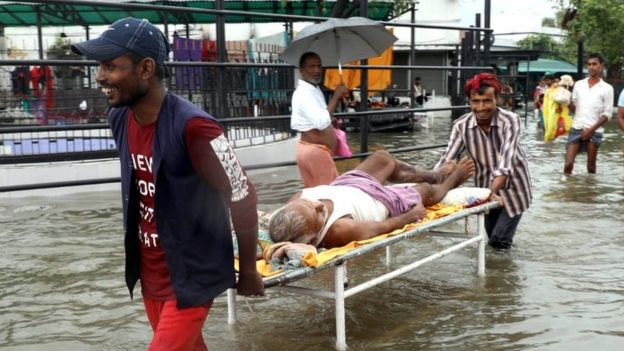
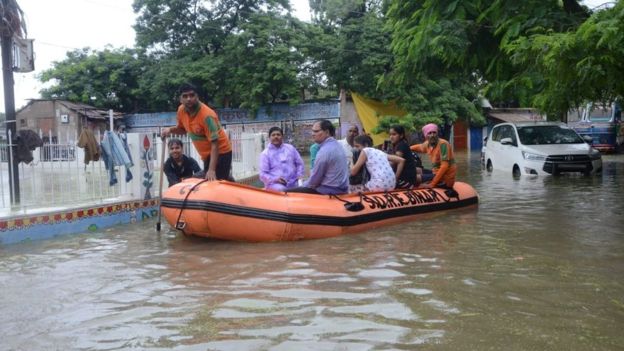
    More than 100 people have died due to flooding caused by heavy rains in the Indian states of Uttar Pradesh and Bihar, officials have said.

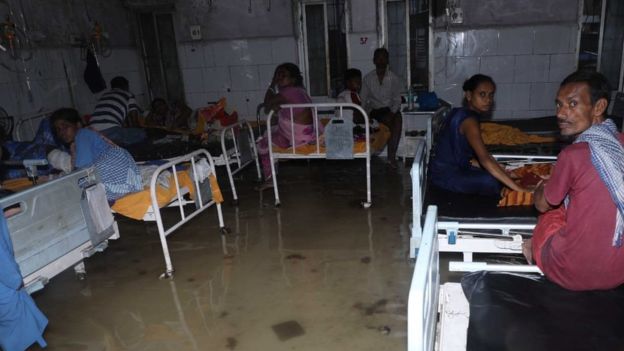
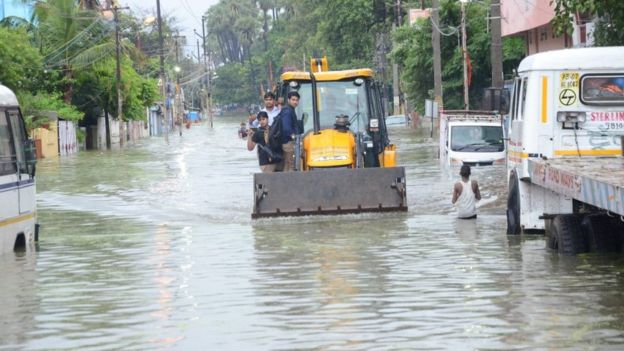
    Dramatic images of the impact of flood water on urban life have been coming out of the affected areas.

    Railway traffic, vehicular movement, healthcare services, schools and power supply have been disrupted in both states, officials said.

    _109021513_6b517838-4d62-4878-911a-c19c676a3aa8.jpg

    An Uttar Pradesh government report said 93 people have died since Thursday.

    In eastern Uttar Pradesh, flooding caused officials to relocate more than 500 prisoners from the Ballia district jail to other prisons after water entered three buildings.

    The Additional District Magistrate told reporters that officials were awaiting permission to move all of the prison’s 850 inmates to Azamgarh jail, which is about 120km (74 miles) away.

    _109021456_06134b63-f907-423c-9311-fee63d0dee52.jpg

    The death toll in Bihar is 29, according to the state disaster management authority. The impact on its main city, Patna, has been grabbing headlines.

    A video of a man struggling to pull his cycle-rickshaw out of flood water has been circulated widely on social media.

    _109021457_a464da19-5624-4b9f-aff3-7e0401e056a1.jpg

    In it, the man filming the video can be heard consoling the visibly upset rickshaw puller – he suggests that the man leave the vehicle where it is and return for it after the flood waters recede. He and a woman, who can be heard in the background, offer to keep an eye on it for the rickshaw puller from their spot on the balcony.

    //SC//BBC//

  • _108914259_gettyimages-115610747.jpg

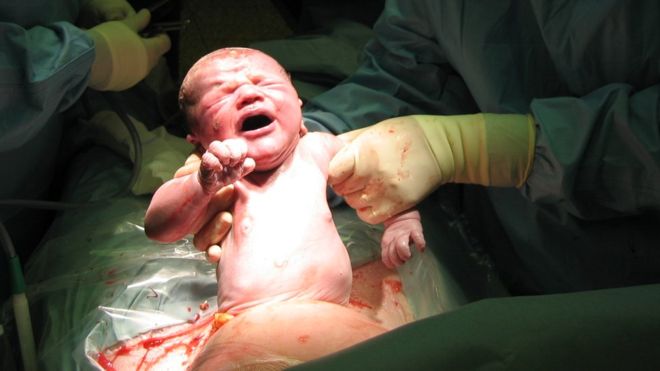
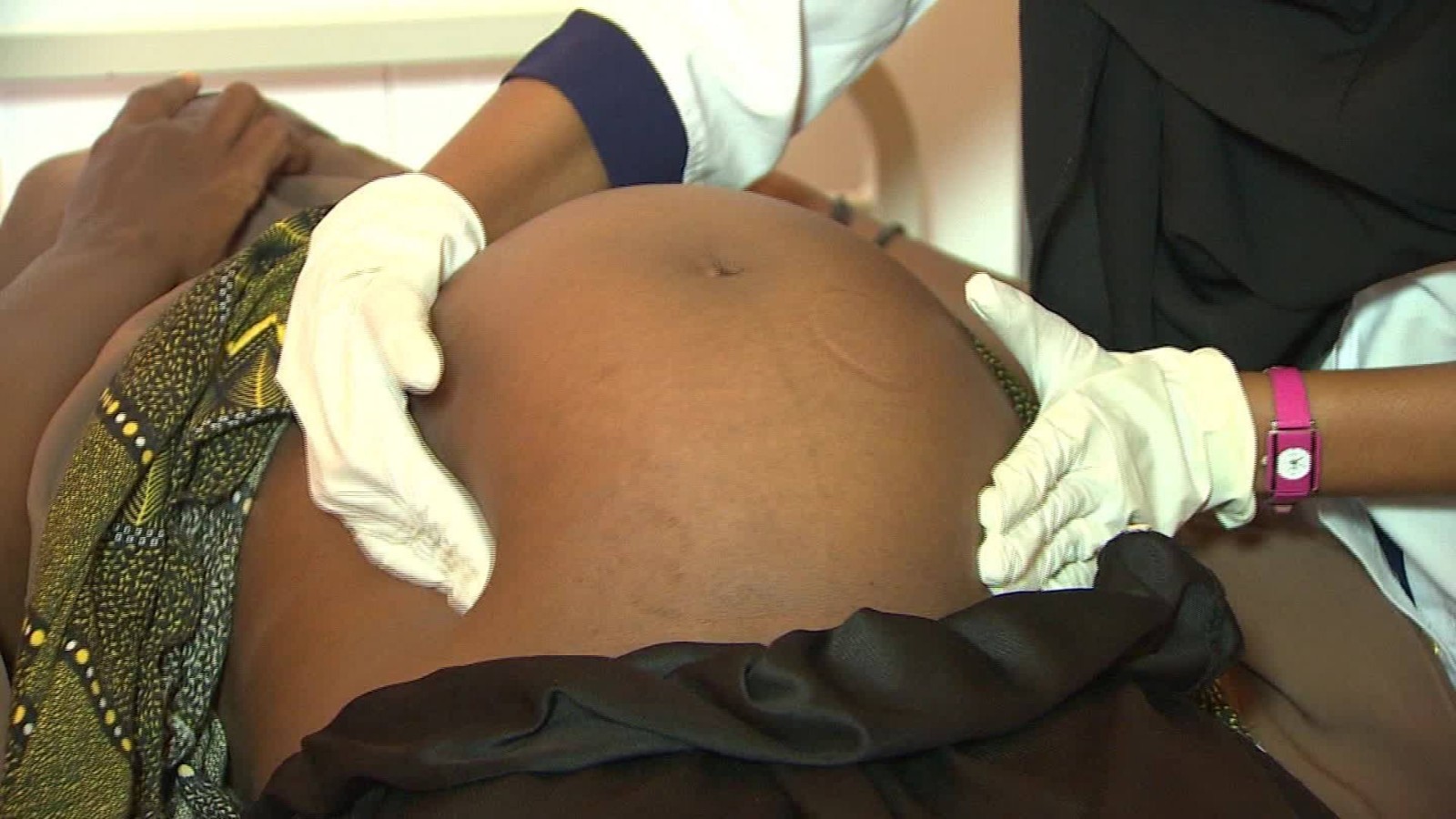
    Planned Caesarean delivery can be the safest option for women who have had a Caesarean in the past, according to new research in PLoS Medicine. Attempting a vaginal birth was linked with a small but increased chance of complications for mother and baby compared with repeat Caesareans.
    151113164848-mandera-maternal-health-kriel-pkg-00000103-full-169.jpg

    The findings come from more than 74,000 births in Scotland. Experts say mums-to-be should be offered a choice of how to deliver – vaginal or Caesarean – when possible.
    171101123552-01-maternal-mortality-timoria-mcqueen-saba-large-169.jpg


    A recent investigation by the BBC’s Victoria Derbyshire programme suggests this is not always happening, with many women requesting a Caesarean being denied one.

    Caesarean sections are when a baby is delivered by making a surgical cut into the abdomen and womb.

    They can be:

    • elective or planned – at the mother’s request or for medical reasons, such as the baby is either in the wrong position or very large
    • emergency – usually because of complications during labour

    More than one in four births in the UK are by Caesarean. Half of these are planned or elective and half are emergency.

    Which is safer – vaginal or Caesarean?

    Birthing carries risks whichever way it is done.

    The research carried out in Scotland compared the risks of a planned or elective Caesarean with vaginal delivery (in women who had had a Caesarean in the past) and found:

    • 45,579 women gave birth by planned Caesarean and 28,464 attempted vaginal birth
    • 28.4% of those attempting a vaginal birth went on to have an emergency Caesarean
    • attempting vaginal birth was associated with an increased risk of the mother having serious birth and post-birth related problems compared with electing for another Caesarean section
    • 1.8% of those attempting a vaginal birth and 0.8% of those having a planned Caesarean experienced serious maternal complications, such as womb rupture, bleeding or infection
    • Complications for the baby occurred in 8% of the pregnancies with an attempted vaginal birth and 6.4% of the planned Caesareans

    According to the Royal College of Obstetricians and Gynaecologists, in most cases, women can safely be offered the choice of either because the associated risks will be low.

    Generally, after one Caesarean about three in four women who go into labour naturally give birth vaginally, while one in four ends up needing an emergency Caesarean.

    An emergency Caesarean has more risk than a planned one, which women need to be made aware of.
    fb_img_1518483966504_custom-5d28dc7da84ab075f4e73386d7bd5161f170186a-s800-c85.jpg

    Pros and cons

    Recovering from a Caesarean can take longer and there is a risk of infection and bleeding from the operation.

    More scar tissue occurs with each Caesarean, which increases the chance of the placenta growing into the scar during future pregnancies and causing complications.

    There are also small risks to the baby with Caesarean birth which include temporary breathing difficulties and being accidentally cut (which happens to around two in every 100 babies, but usually heals without further harm).

    A vaginal birth can mean a shorter hospital stay, a quicker recovery and return to everyday activities such as driving, and avoiding the risks of an operation.

    But it can sometimes lead to a tearing of the perineum – the skin between the vagina and anus.

    Additionally, for women who have had a previous Caesarean:

    • a vaginal birth can put strain on the Caesarean scar, which may separate or rupture. This happens to around one in every 200 women
    • serious risk to the baby, such as brain injury or stillbirth, is higher with vaginal delivery than for a planned Caesarean section

    A vaginal delivery is not advisable if a woman has had three or more previous Caesareans, say guidelines.

    Dr Pat O’Brien, consultant obstetrician and spokesperson for the Royal College of Obstetricians and Gynaecologists, said the new research provided useful data to inform women and clinicians when discussing and making decisions around birthing plans.

    He said: “Women can be assured that in most cases it is possible and safe to have a vaginal birth, or a planned repeat Caesarean birth, after a previous Caesarean birth.

    “A detailed conversation with a woman and her senior obstetrician should take place so she can make an informed choice about the safest way she can plan to give birth and be supported by a team of specialists.”

    //SC//BBC//
  • _108971894_mediaitem108971893.jpg

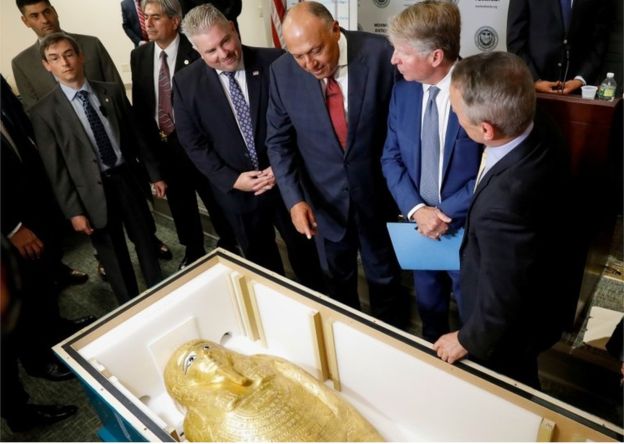
    US authorities have returned a stolen coffin to Egypt, two years after it was acquired by the Metropolitan Museum of Art in New York City.

    The 2,100-year-old coffin of a priest called Nedjemankh was featured in an exhibit housing artefacts from Egypt.

    The stolen antique was sold to the museum by a global art trafficking network, which used fraudulent documents, officials said. The gilded coffin was looted and smuggled out of Egypt in 2011.

    “Thus far our investigation has determined that this coffin is just one of hundreds of antiquities stolen by the same multinational trafficking ring,” Manhattan District Attorney Cyrus Vance said, quoted by Reuters news agency, at a repatriation ceremony in New York on Wednesday, adding that there could be more similar seizures.

    The coffin, which dates back to the 1st Century BC, was bought by the prestigious museum for $4m (£3.2m) from a Parisian art dealer.

    It was first shipped to Germany where it was restored before being transported to France. The museum was given a forged 1971 Egyptian export licence, among other false documents, prosecutors told US local media. Officials said the grand and ornate coffin had been buried in the country’s Minya region for 2,000 years before it was stolen in 2011.

    “This is not only for Egyptians but this is for our common human heritage,” Egyptian Minister of Foreign Affairs Sameh Hassan Shoukry said, quoted by Reuters.

    It will next be on display in Egypt in 2020.

    //SC//BBC//

  • _108973793_chirac-index-getty-1.jpg

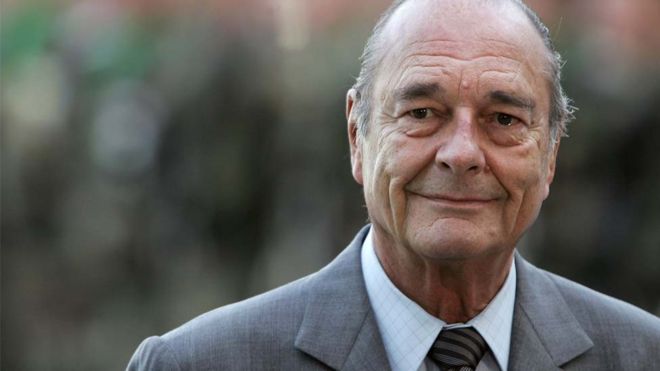
    Jacques Chirac, the former French president whose later years were blighted by corruption scandals, has died aged 86.

    “President Jacques Chirac died this morning surrounded by his family, peacefully,” his son-in-law told the French news agency AFP.

    Mr Chirac served two terms as French president and took his country into the single European currency.

    Jean-Claude Juncker, the president of the European Commission and former Luxembourg premier, said he was “moved and devastated” to learn the news. “Europe is not only losing a great statesman, but the president is losing a great friend,” Mr Junker said in a statement.

    //SC//BBC//

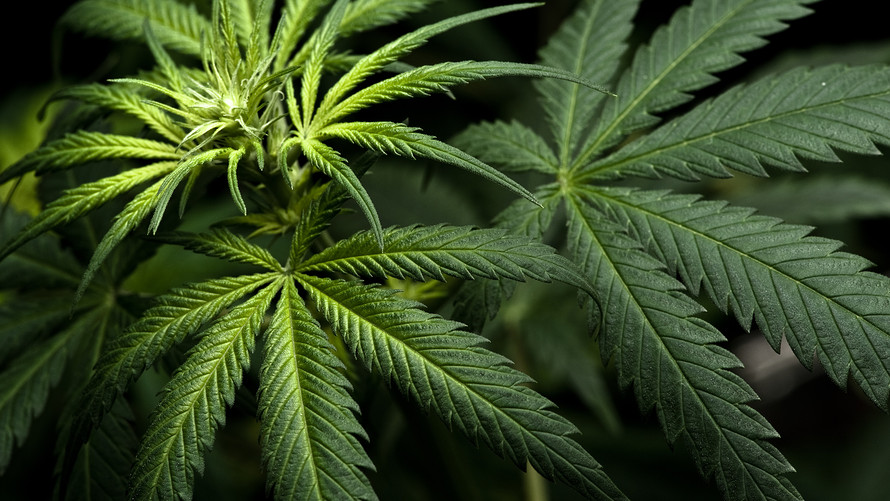
  • Hemp oil, Medical marijuana products including cannabis leaf, dried bud, cbd  and hash oil over black wood background

    GW Pharmaceuticals stock initially popped, then toppled, Monday after European regulators approved the biotech company’s CBD oil in two seizure disorders. Cannabidiol, the long-winded name for CBD, is an active ingredient in cannabis. GW Pharmaceuticals’ Epidyolex is the first CBD oil derived directly from the cannabis plant to gain approval in Europe.


  • gettyimages-1134024594.jpg

    Popular culture has crowned CBD oil the new miracle cure for all sorts of ailments — including anxiety, insomnia and chronic pain — but the additive has also been found in consumables ranging from lattes to face creams, begging the question: What is CBD oil? And is it legal?

    MW-HD400_mariju_20190205224207_ZH.jpg

    CBD, which is different from THC, is a chemical compound found in cannabis plants. While there have been extensive studies conducted on how THC interacts with the human body, research into what happens when someone ingests CBD is inconclusive — which makes its legal status a gray area in most states.

    What scientists can confidently conclude is that CBD attaches to receptors in the body that influence anxiety and pain, and most people do report feeling better after taking CBD. But, again, the hard medical evidence supporting what CBD can do is not concrete.

    The lack of science behind CBD makes deeming it a legal substance a little tricky. Three states — Idaho, South Dakota and Nebraska — have challenged legalizing CBD, even for medical purposes, because of how little information there is.

    Despite the ambiguity, people swear by CBD’s properties. If you are worried about the effects and whether its legal in your area, In the Know recommends consulting your doctor first.

  • 3475361640151_2306133883280.jpgThe Okyenhene is considered the head of the Asona clan, the largest among the eight clans of the Akans.
    The Okyehene Osagyefuo Amoatia Ofori Panin has rallied Ghanaians to support President Akufo-Addo’s ‘good’ vision for the country, the Daily Guide has reported. Speaking to chiefs and the people of Akyem-Kwabeng in the Atiwa West District of the Eastern region, he said Ghanaians need to exercise patience with the three-year old government.

    “Since Rome was not built in a day, then you should know Akufo-Addo government cannot fix all protracted problems of Ghana within two years in power,” he said. The Okyehene who is the President of the Eastern regional House of Chiefs said it will take time for the policies of the Akufo-Addo government to have its full impact on Ghanaians.

    Okyehene Osagyefuo Amoatia Ofori Panin reign enters its 20th year next month. He was enstooled on October 4, 1999 after the death of his predecessor Osagyefuo Kuntunkununku II. He is the 35th king to ascend the throne. While he prepares to mark the milestone, the President, Nana Akufo-Addo has an election to win come in 15 months when Ghanaians go to the polls November 2020.

    The President’s main rival remains John Mahama who leads the opposition National Democratic Congress.

    //SC//JOY//


  • images.jpg

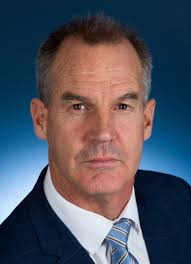
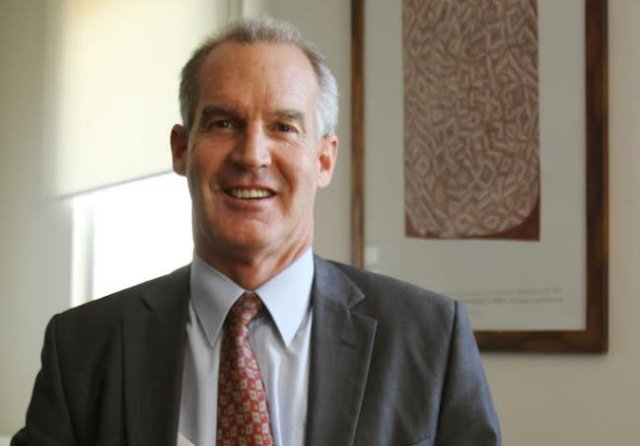
    The Australian High Commissioner to Ghana, Andrew Barnes

    The Australian High Commissioner to Ghana has expressed shock at the level of corruption in Ghana, a nation dominated by Christians. To Andrew Barnes, corruption should not be an issue eating up a country in which Christian population constitutes approximately 71.2% of the entire population.

    Christianity is the largest religion in Ghana followed by Muslim that makes up 17%, according to the 2010 census. Speaking at the launch of a strategic plan of the Ghana Anti-Corruption Coalition in Accra on Wednesday, Mr Barnes pointed out that although he doesn’t believe in the existence of God, he knows “corruption is clearly against Christian teachings”. His comments come barely a month after Netherlands Ambassador to Ghana, Ron Strikker suggested to Ghana to pursue what he termed a “Ghana Beyond Corruption”.

    4736897833076_3820530545121.jpg

    “You need a good business climate to attract foreign investment…”, the diplomat said. Ghana scored 41 out of 100 points in the 2018 corruption perception index, ranking 78 out of 180 countries, according to Transparency International that gauged perceived levels of public sector corruption according to experts and business people.

    Mr Barnes remarked: “As an atheist, it intrigues me that Ghana, as a strongly Christian country, corruption is such a problem in Ghana.[sic]” He stressed that corruption is “not just illegal but it is also immoral” with a dire consequence on the total development of a country.

    The Ghana Anti-Corruption Coalition (GACC) is a unique cross-sectoral grouping of public, private and civil society organizations (CSOs) with a focus on promoting good governance and fighting corruption in Ghana.  Mr Barnes commended the coalition for keeping up the pressure on government and those in responsible positions to check corruption, noting that the situation would have been worse without the GACC.

    “As we all know, corruption distorts the market, stalls economic growth, entrenches poverty, debases democracy, undermines the rule of law, and wastes precious government finances. “Where procurement means 10%, 20% or even higher additional cost because of kickbacks and bribes, it means ultimately the ordinary Ghanaian who ends up paying. Then Government debt becomes larger than it should be…” he added.

    //SC//myjoyonline//

  • _108958198_7ba980f4-36db-4144-854b-e08d6cd4355c.jpg

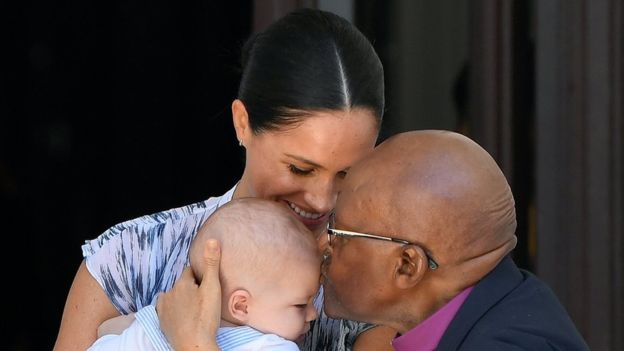
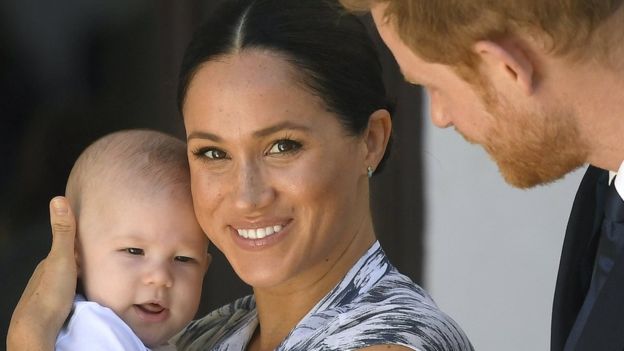
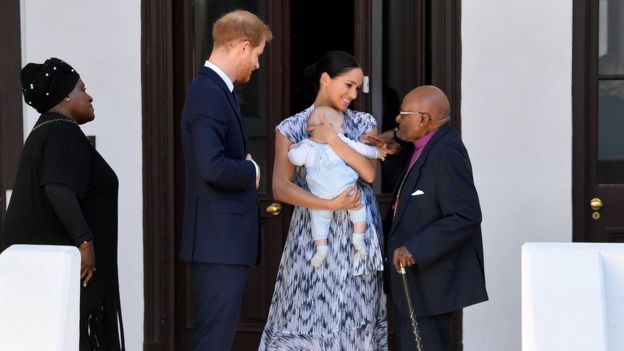
    The Duke and Duchess of Sussex have introduced their baby son Archie to renowned anti-apartheid campaigner Archbishop Desmond Tutu.

    It is the first time the four-month-old has been seen in public on the couple’s 10-day tour of Africa. Archie was seen smiling in his mother’s arms and was held up on her lap.

    Prince Harry and Meghan joked about their son’s time in front of the cameras as they greeted the archbishop and his daughter Thandeka Tutu-Gxashe.

    “He’s an old soul,” said Meghan, while Harry remarked: “I think he is used to it already.”

    _108962384_745e5f92-0c64-4cd0-b2eb-f88f70fd29ac.jpg

    A Nobel Peace Prize winner for his opposition to apartheid, the archbishop said he was “thrilled” by the “rare privilege and honour” of meeting the royals.

    He spent half an hour with the couple and Archie at his Legacy Foundation in Cape Town, based in a centuries-old building which was constructed by enslaved people. The archbishop told the couple: “It’s very heart-warming, let me tell you, very heart-warming to realise that you really, genuinely are caring people.”

    The couple also posted a video to their official SussexRoyal Instagram account of their arrival at the meeting with the archbishop in Cape Town, with the caption: “Arch meets Archie!”

    _108958025_bf5ef5af-716d-4e32-af2a-ea3cc287e47b.jpg

    //SC//BBC//